Comparing and Contrasting Data Distributions
Student Summary
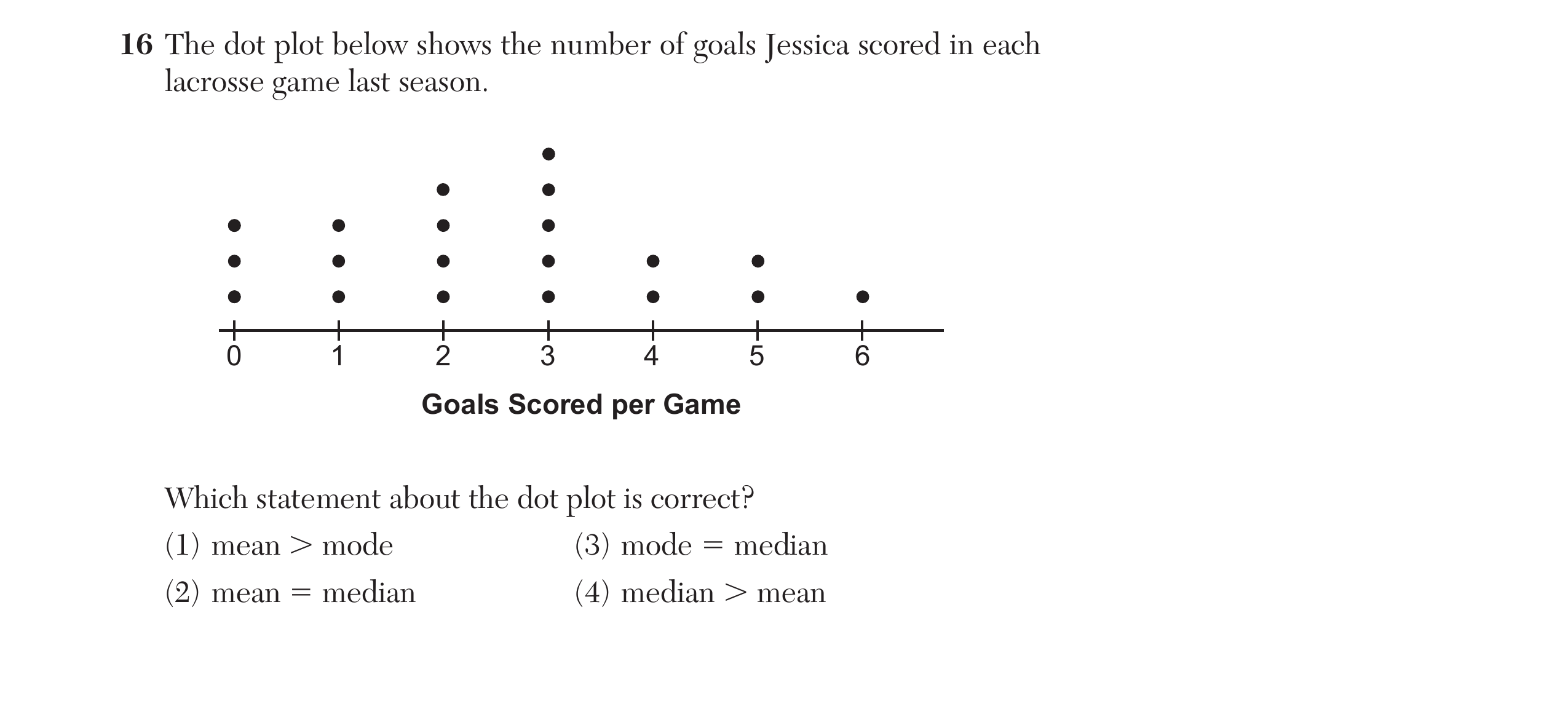
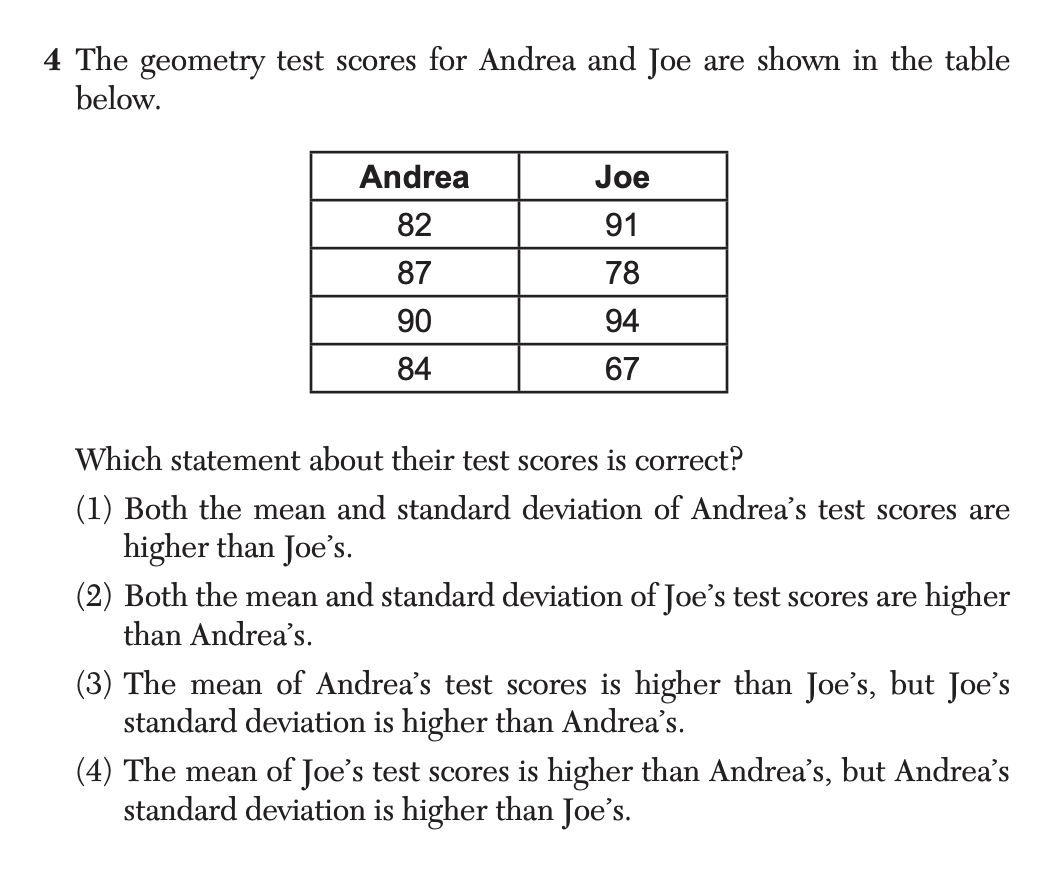
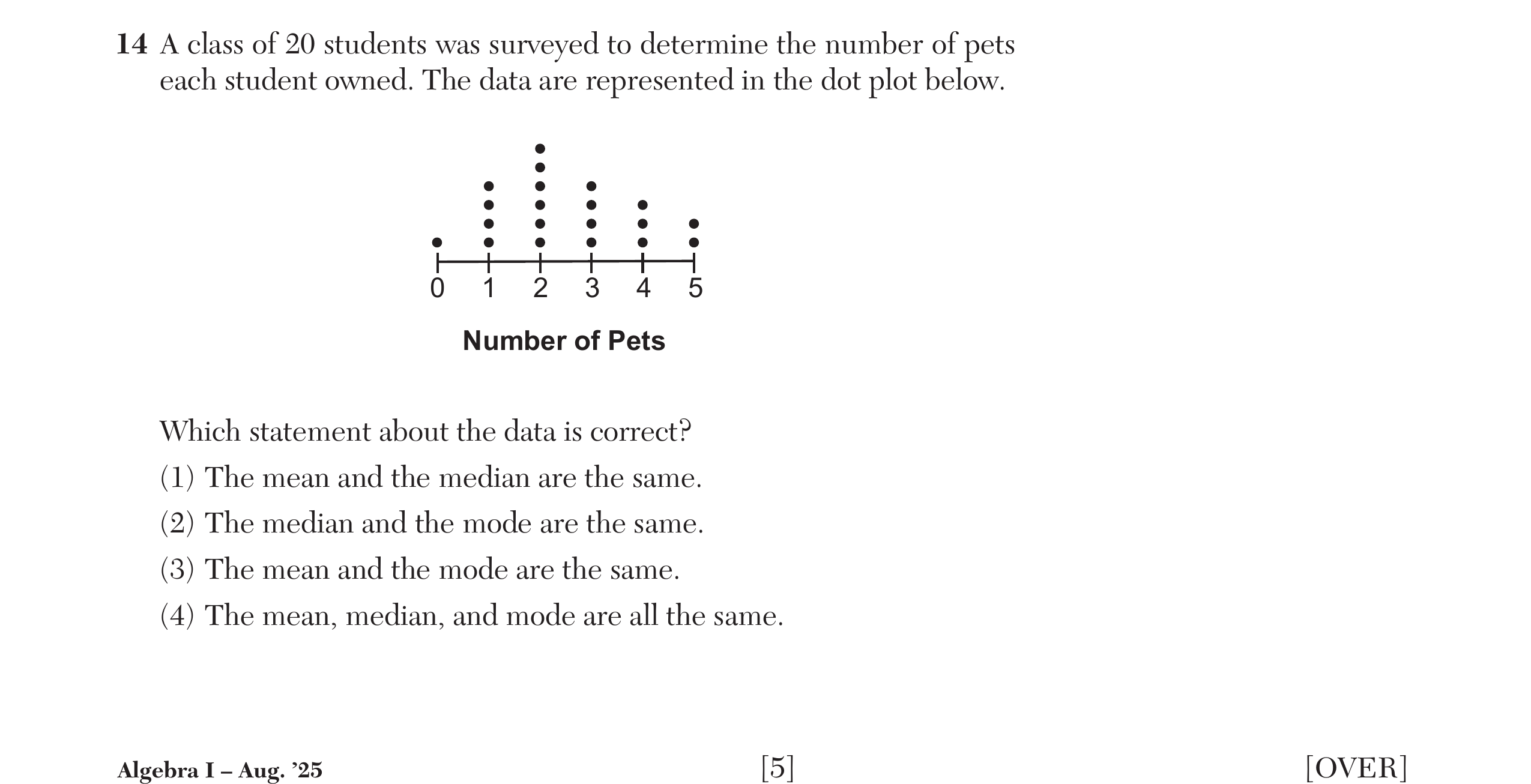
The mean absolute deviation, or MAD, is a measure of variability that is calculated by finding the mean distance from the mean of all the data points. Here are two dot plots, each with a mean of 15 centimeters, displaying the length of sea scallop shells in centimeters.
Notice that both dot plots show a symmetric distribution so the mean and the MAD are appropriate choices for describing center and variability. The data in the first dot plot appear to be more spread apart than the data in the second dot plot, so you can say that the first data set appears to have greater variability than does the second data set. This is confirmed by the MAD. The MAD of the first data set is 1.18 centimeters and the MAD of the second data set is approximately 0.94 cm. This means that the values in the first data set are, on average, about 1.18 cm away from the mean, and the values in the second data set are, on average, about 0.94 cm away from the mean. The greater the MAD of the data, the greater the variability of the data.
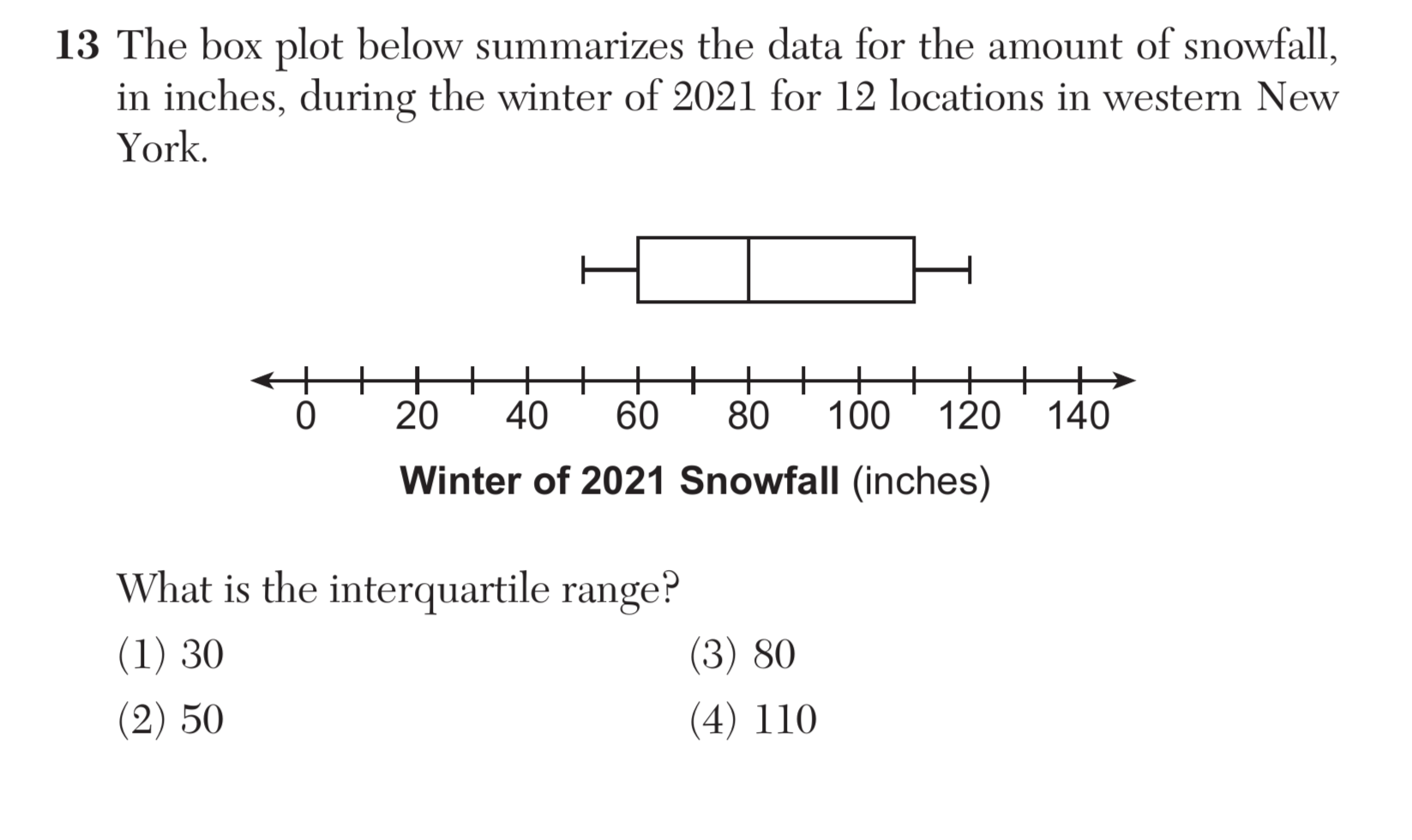
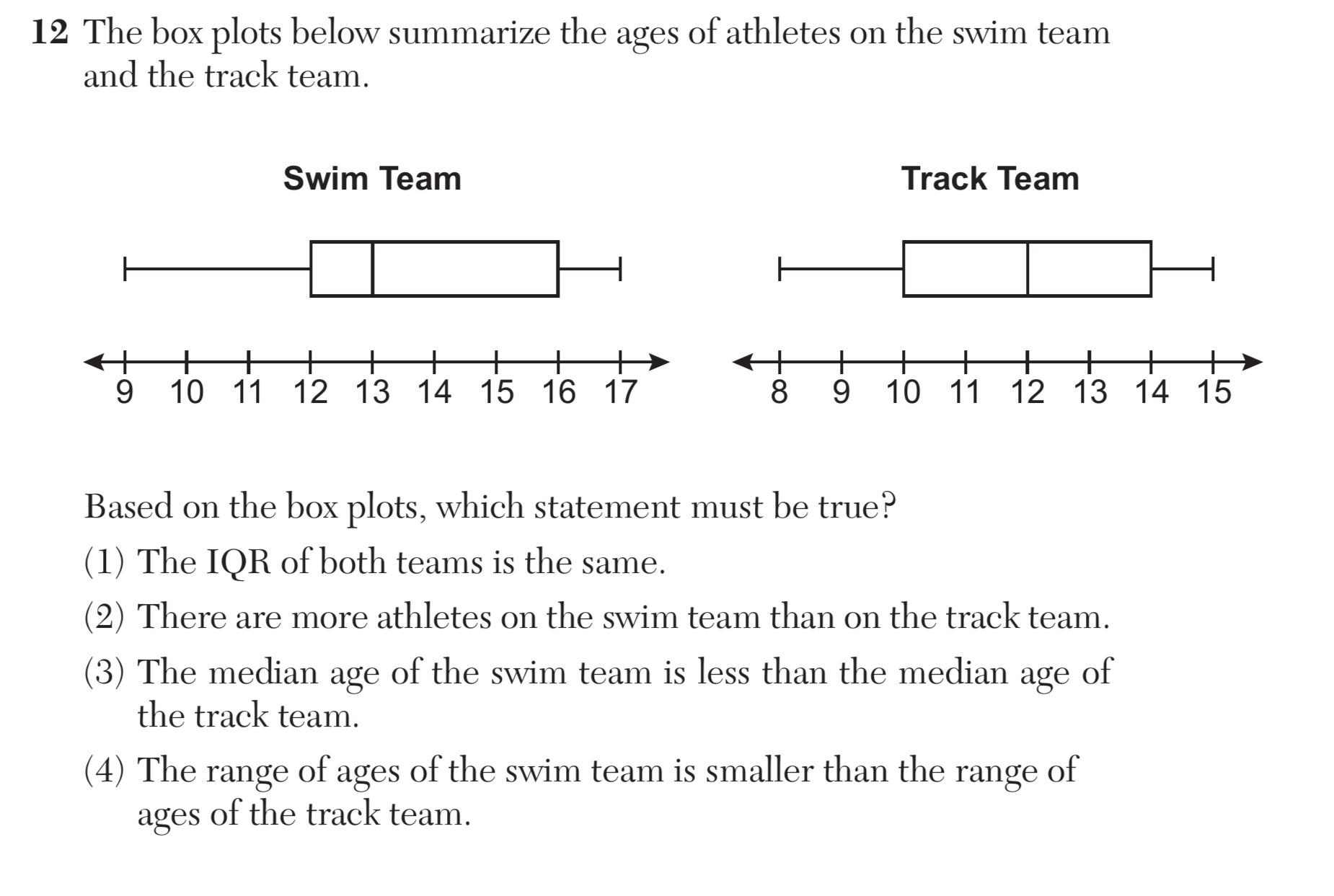
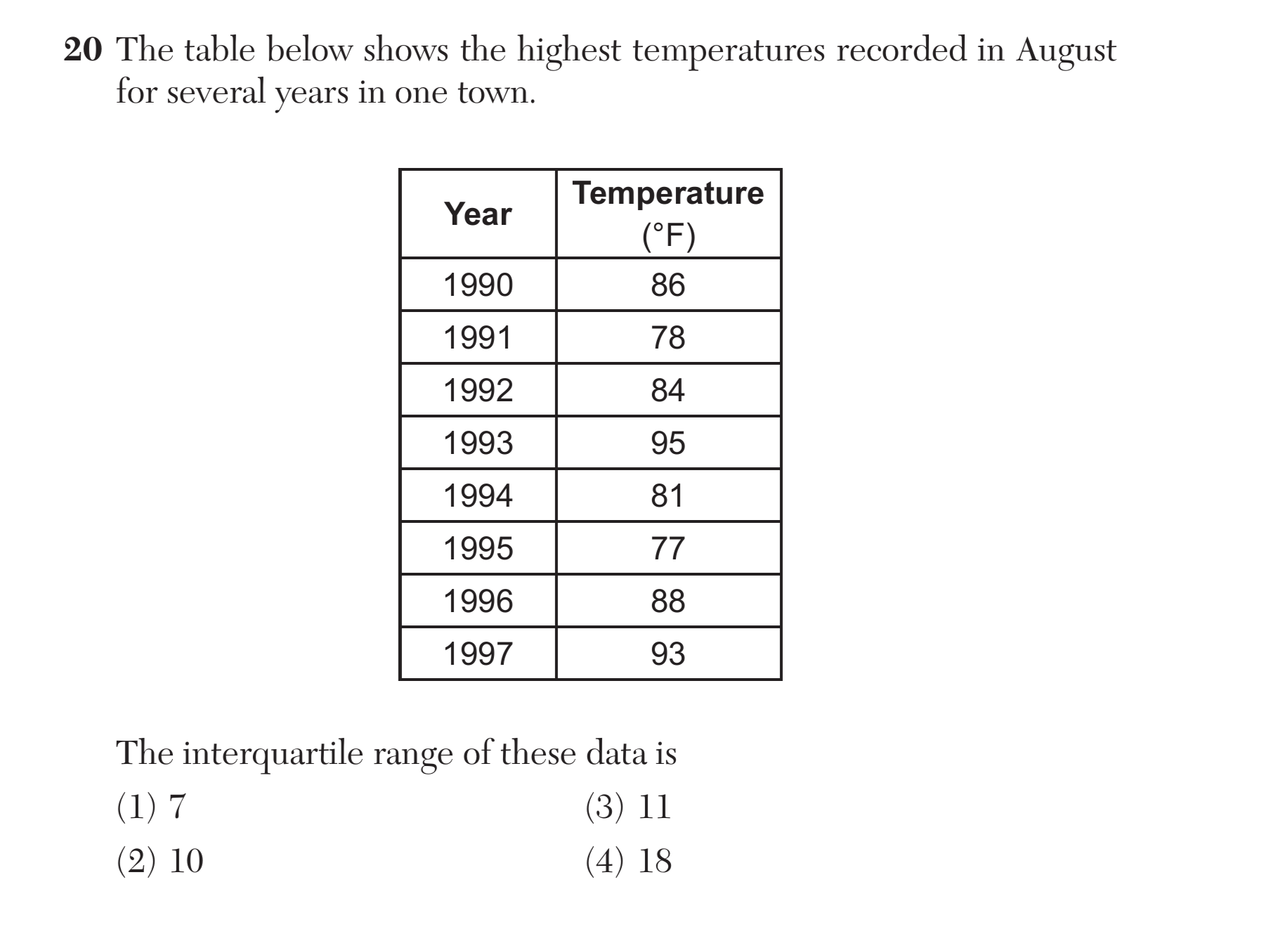
The interquartile range, IQR, is a measure of variability that is calculated by subtracting the value for the first quartile, Q1, from the value for the third quartile, Q3. These two box plots represent the distributions of the lengths in centimeters of a different group of sea scallop shells, each with a median of 15 centimeters.
Notice that neither of the box plots have a symmetric distribution. The median and the IQR are appropriate choices for describing center and variability for these data sets. The middle half of the data displayed in the first box plot appear to be more spread apart, or show greater variability, than the middle half of the data displayed in the second box plot. The IQR of the first distribution is 14 cm, and the IQR is 10 cm for the second data set. The IQR measures the difference between the median of the second half of the data, Q3, and the median of the first half, Q1, of the data, so it is not affected by the minimum or the maximum value in the data set. It is a measure of the spread of the middle 50% of the data.
The MAD is calculated using every value in the data set, and the IQR is calculated using only the values for Q1 and Q3.
Visual / Anchor Chart

Standards
HSS-ID.A.1
Represent data with plots on the real number line (dot plots, histograms, and box plots).
HSS-ID.A.26 questions
Use statistics appropriate to the shape of the data distribution to compare center (median, mean) and spread (inter-quartile range, sample standard deviation) of two or more different data sets.
HSS-ID.A.3
Interpret differences in shape, center, and spread in the context of the data sets, accounting for possible effects of extreme data points (outliers).