Representing Exponential Growth
Student Summary
In relationships where the change is exponential, a quantity is repeatedly multiplied by the same amount. The multiplier is called the growth factor.
Suppose a population of cells starts at 500 and triples every day. The number of cells each day can be calculated as follows:
| number of days | number of cells |
|---|---|
| 0 | 500 |
| 1 | 1,500 (or 500⋅3) |
| 2 | 4,500 (or 500⋅3⋅3, or 500⋅32) |
| 3 | 13,500 (or 500⋅3⋅3⋅3, or 500⋅33) |
| d | 500⋅3d |
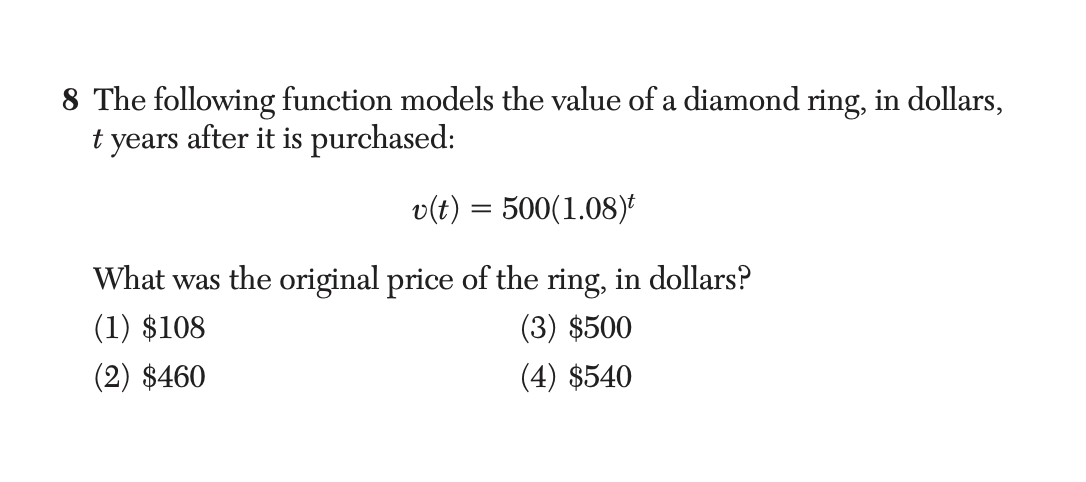
We can see that the number of cells (p) is changing exponentially, and that p can be found by multiplying 500 by 3 as many times as the number of days (d) since the 500 cells were observed. The growth factor is 3. To model this situation, we can write this equation: p=500⋅3d.
The equation can be used to find the population on any day, including day 0, when the population was first measured. On day 0, the population is 500⋅30. Since 30=1, this is 500⋅1 or 500.
Here is a graph of the daily cell population. The point (0,500) on the graph means that on day 0, the population starts at 500.
Each point is 3 times higher on the graph than the previous point. (1,1500) is 3 times higher than (0,500), and (2,4500) is 3 times higher than (1,1500).
Visual / Anchor Chart

Standards
8.EE.1
Know and apply the properties of integer exponents to generate equivalent numerical expressions.
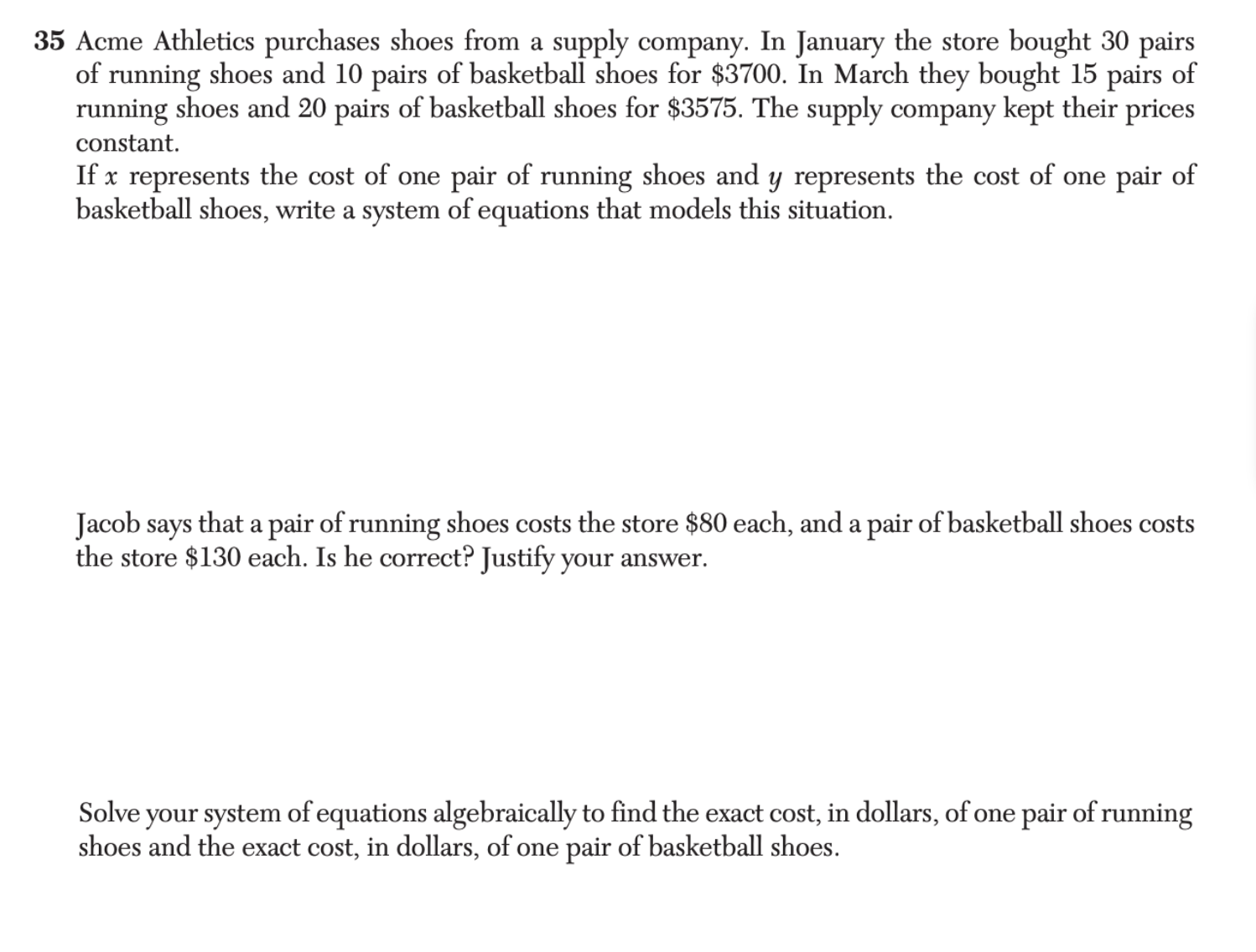
A-CED.21 question
Create equations and linear inequalities in two variables to represent a real-world context.
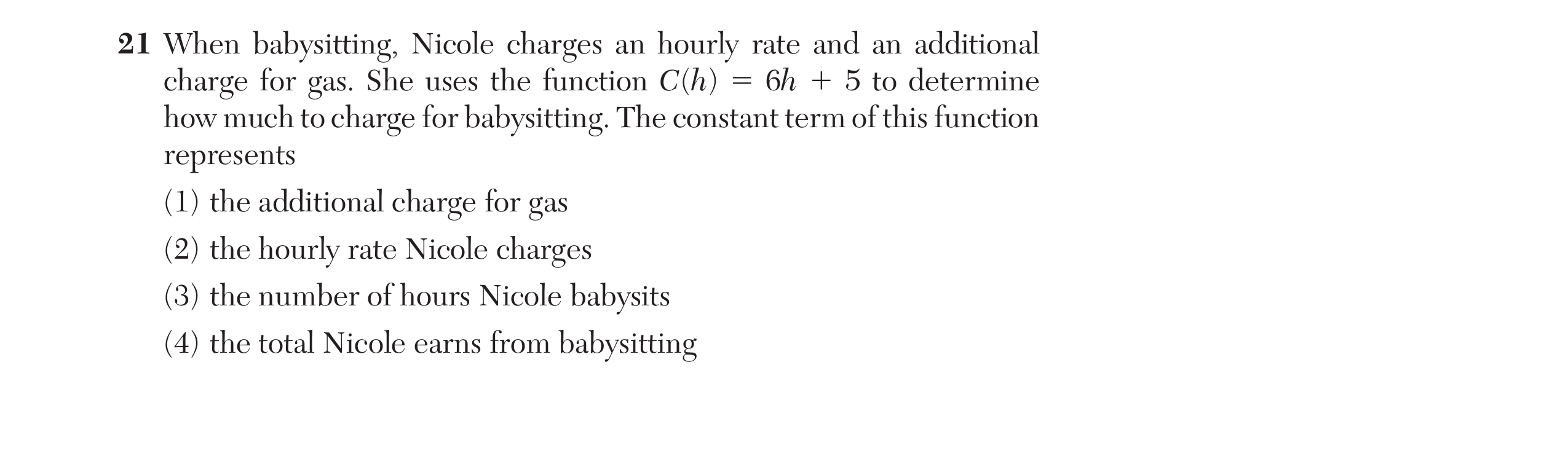
F-BF.1.a
Write a function that describes a relationship between two quantities.
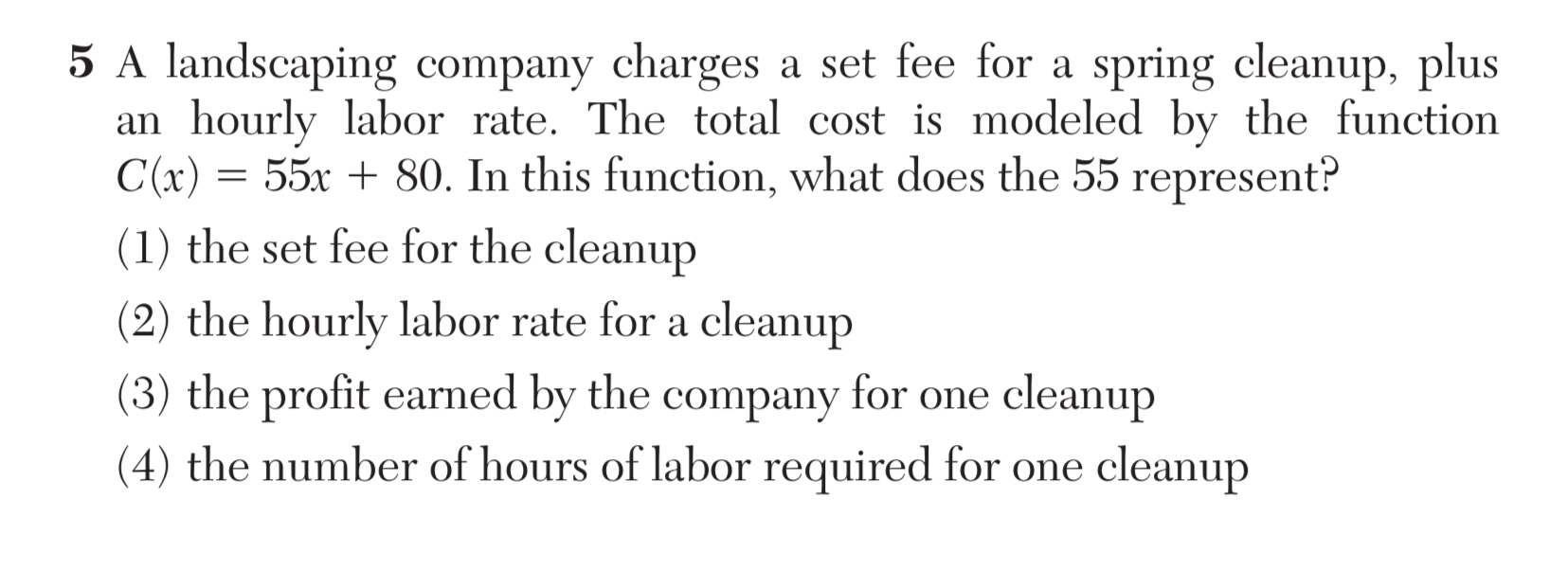
F-LE.53 questions
F-IF.7
Graph functions and show key features of the graph by hand and by using technology where appropriate.