Writing Equations to Model Relationships (Part 1)
Student Summary
Suppose your class is planning a trip to a museum. The cost of admission is $7 per person,
and the cost of renting a bus for the day is $180.
- If 24 students and 3 teachers are going, we know the cost will be 7(24)+7(3)+180,
or 7(24+3)+180, dollars. - If 30 students and 4 teachers are going, the cost will be 7(30+4)+180 dollars.
Notice that the numbers of students and teachers can vary. This means that the cost of admission and the total cost of the trip can also vary, because they depend on how many people are going.
Letters are helpful for representing quantities that vary. If s represents the number of students who are going, t represents the number of teachers, and C represents the total cost, we can model the quantities and constraints by writing
C=7(s+t)+180
Some quantities may be fixed. In this example, the bus rental costs $180 regardless of how many students and teachers are going (assuming only one bus is needed).
Letters can also be used to represent quantities that are constant. We might do this when we don’t know what the value is, or when we want to understand the relationship between quantities (rather than the specific values).
For instance, if the bus rental is B dollars, we can express the total cost of the trip as C=7(s+t)+B. No matter how many teachers or students are going on the trip,
B dollars need to be added to the cost of admission.
Visual / Anchor Chart

Standards
6.RP.3.c
Use ratio and rate reasoning to solve real-world and mathematical problems.
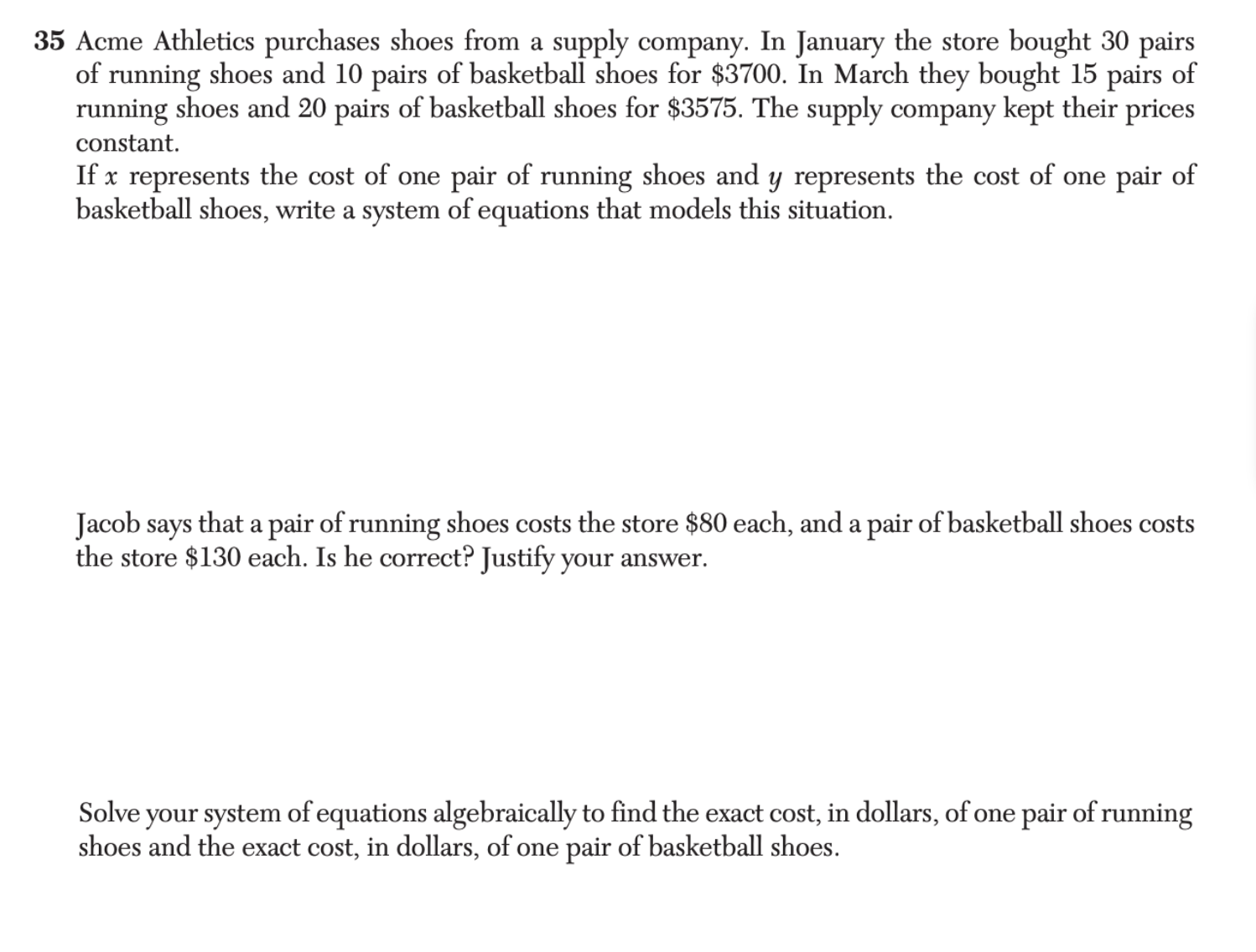
A-CED.21 question
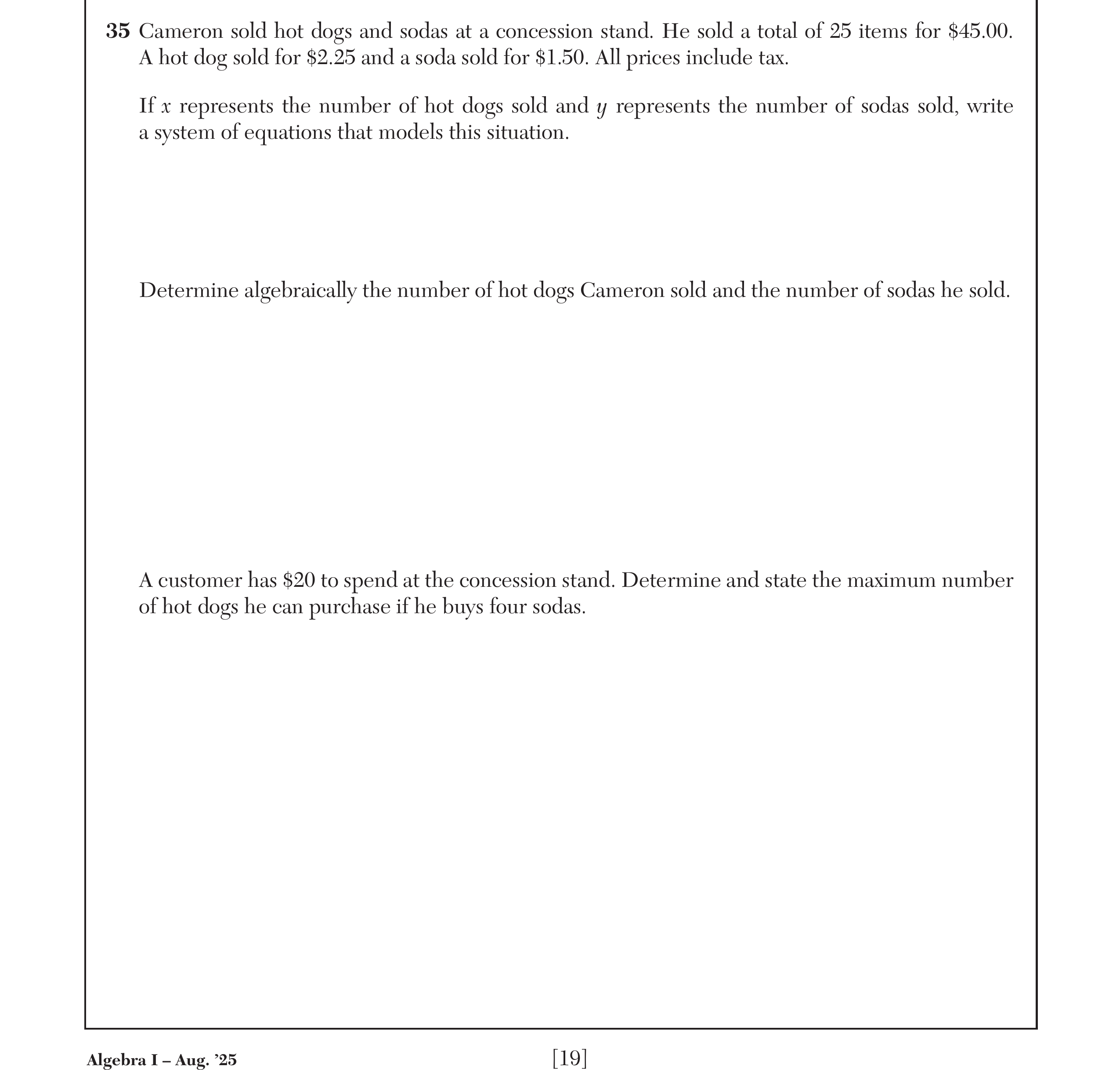
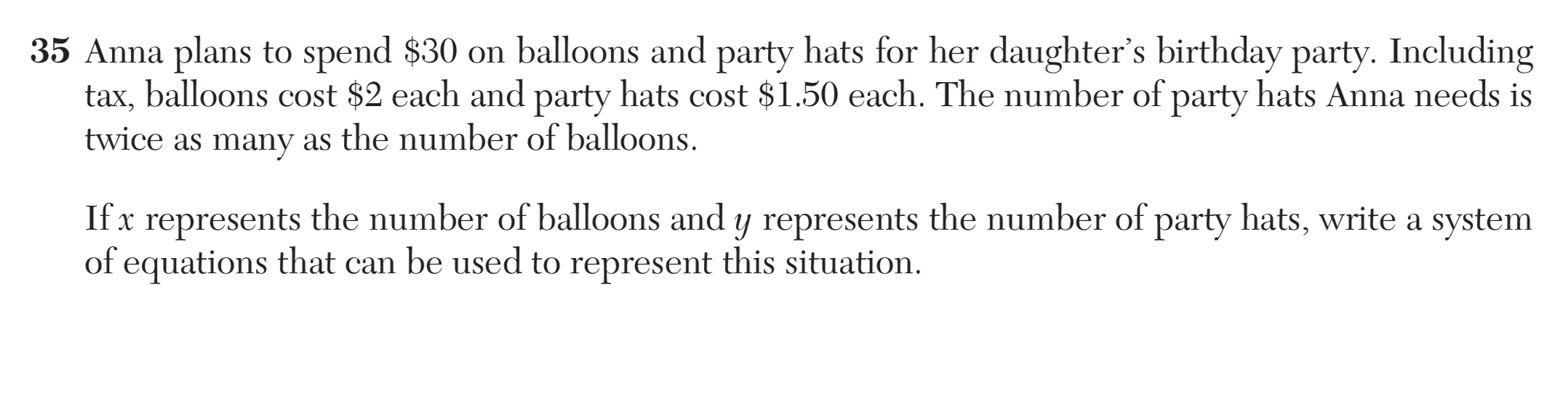
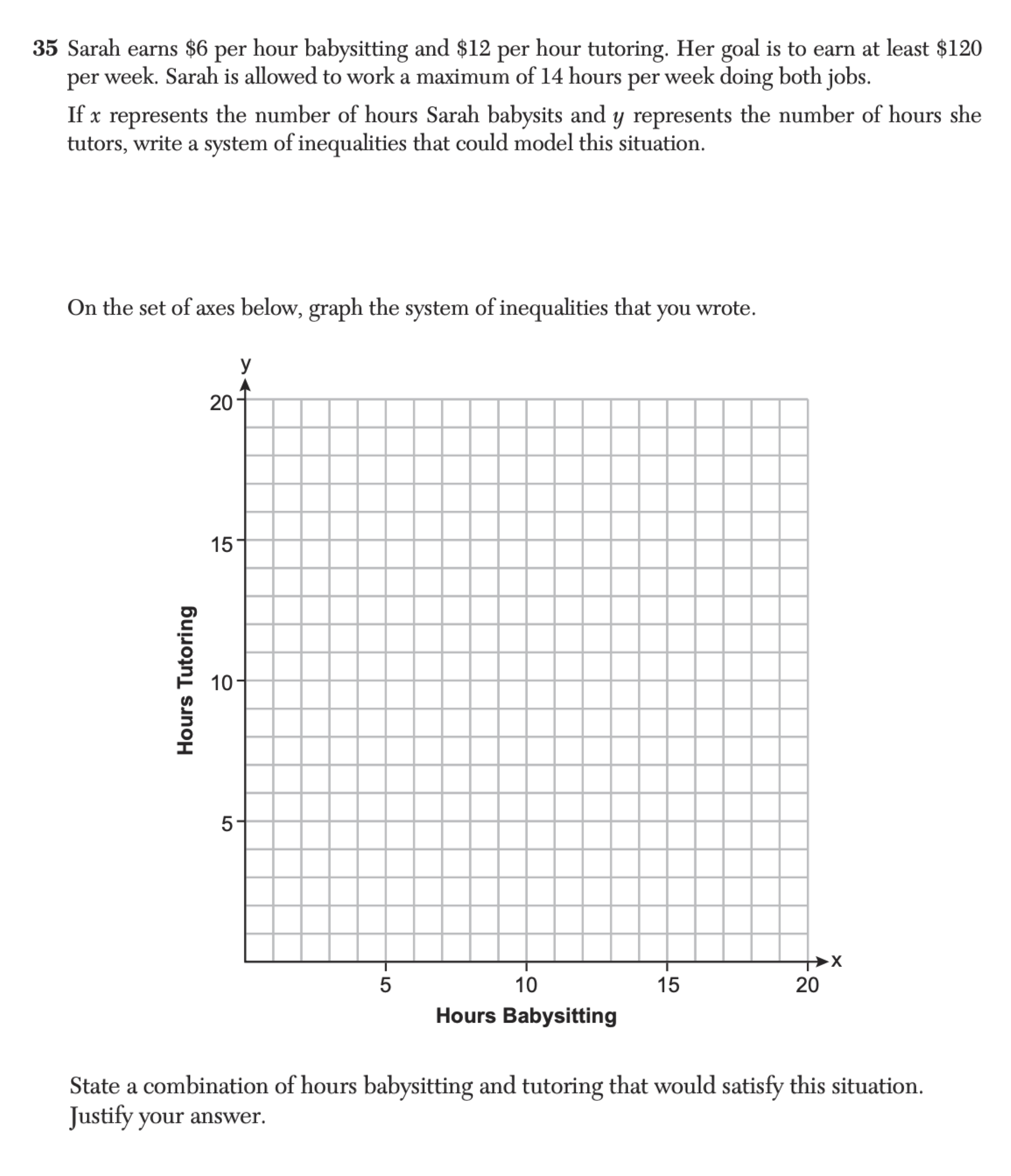
Create equations and linear inequalities in two variables to represent a real-world context.
A-CED.36 questions
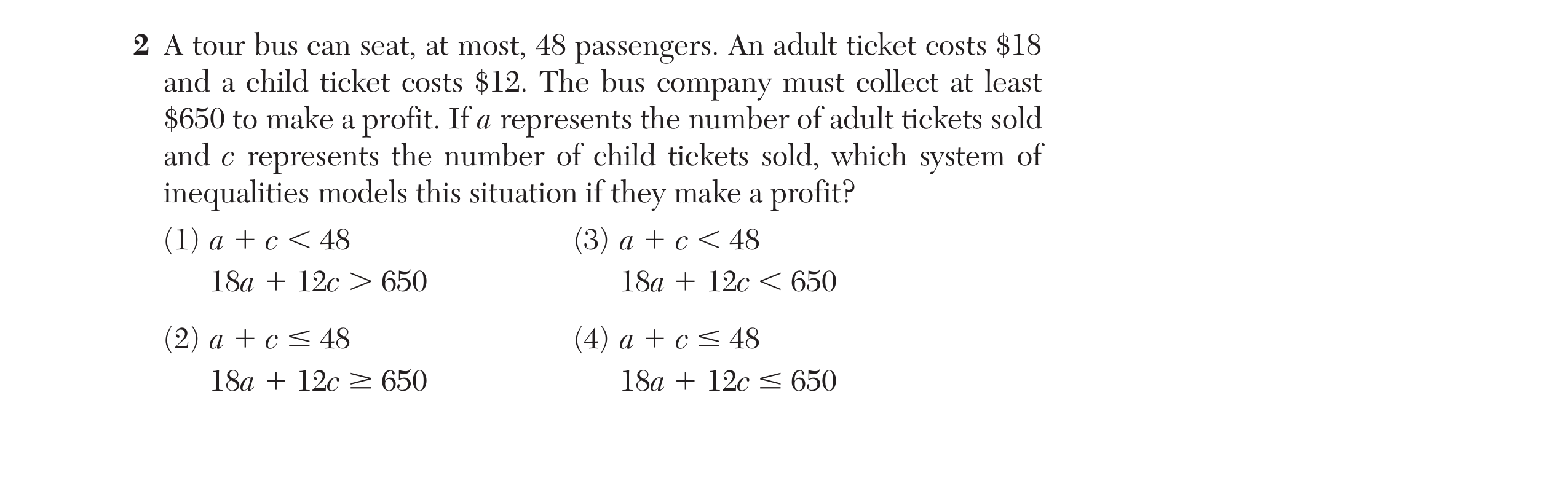
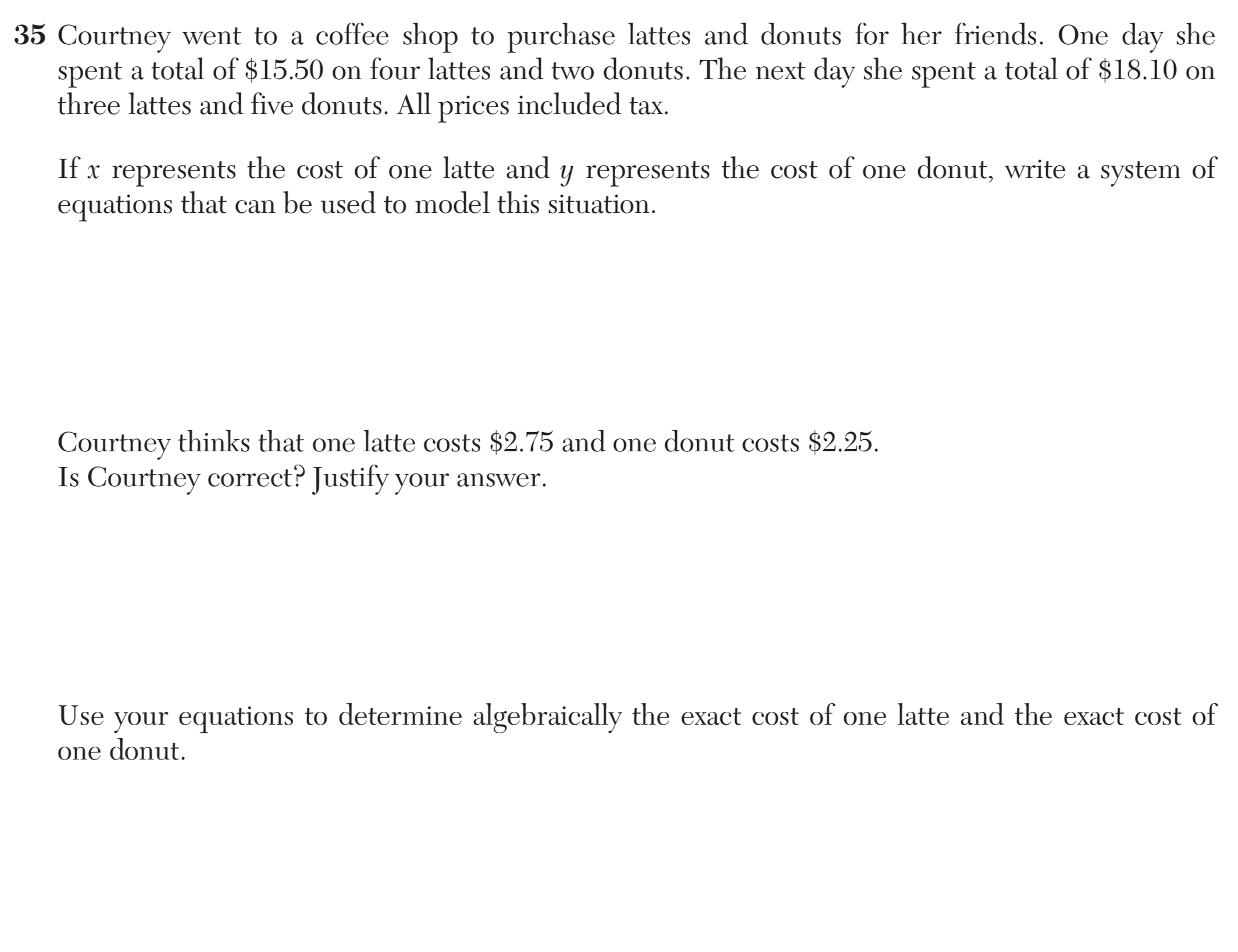
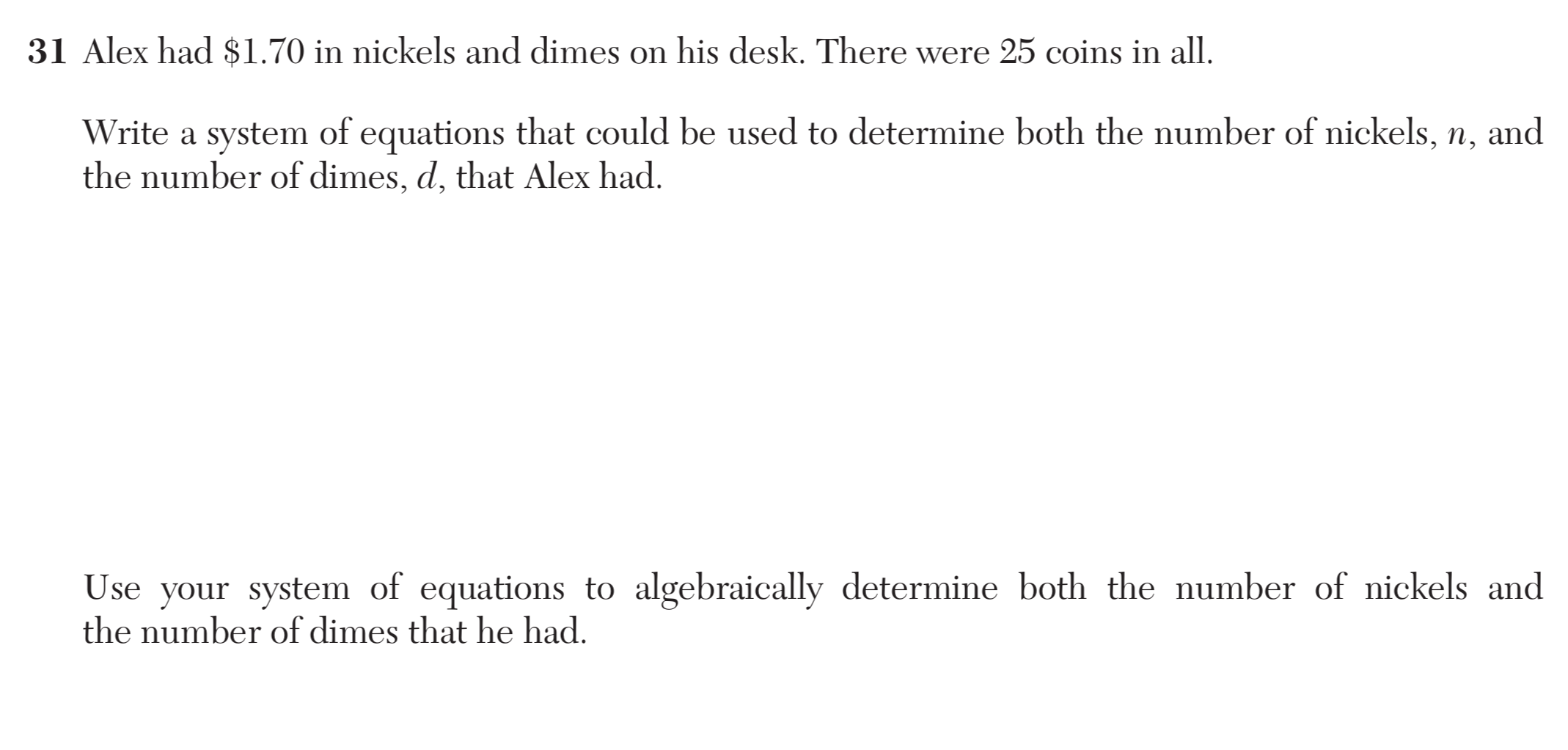
Represent constraints by equations or inequalities, and by systems of equations and/or inequalities, and interpret solutions as viable or non-viable options in a modeling context.
F-BF.1.b
Write a function that describes a relationship between two quantities.