Equivalent Equations
Student Summary
Suppose we bought 2 packs of markers and a $0.50 glue stick for $6.10. If p is the dollar cost of 1 pack of markers, the equation 2p+0.50=6.10 represents this purchase. The solution to this equation is 2.80.
Now suppose a friend bought 6 of the same packs of markers and 3 $0.50 glue sticks, and paid $18.30. The equation 6p+1.50=18.30 represents this purchase. The solution to this equation is also 2.80.
We can say that 2p+0.50=6.10 and 6p+1.50=18.30 are equivalent equations because they have exactly the same solution. Besides 2.80, no other values of p make either equation true. Only the price of $2.80 per pack of markers satisfies the constraint in each purchase.
2p+0.50=6.10
6p+1.50=18.30
How do we write equivalent equations like these?
There are certain moves we can perform!
In this example, the second equation, 6p+1.50=18.30, is a result of multiplying each side of the first equation by 3. Buying 3 times as many markers and glue sticks means paying 3 times as much money. The unit price of the markers hasn't changed.
Here are some other equations that are equivalent to 2p+0.50=6.10, along with the moves that led to these equations.
- 2p+4=9.60
Add 3.50 to each side of the original equation.
- 2p=5.60
Subtract 0.50 from each side of the original equation.
- 21(2p+0.50) =3.05
Multiply each side of the original equation by 21.
- 2(p+0.25)=6.10
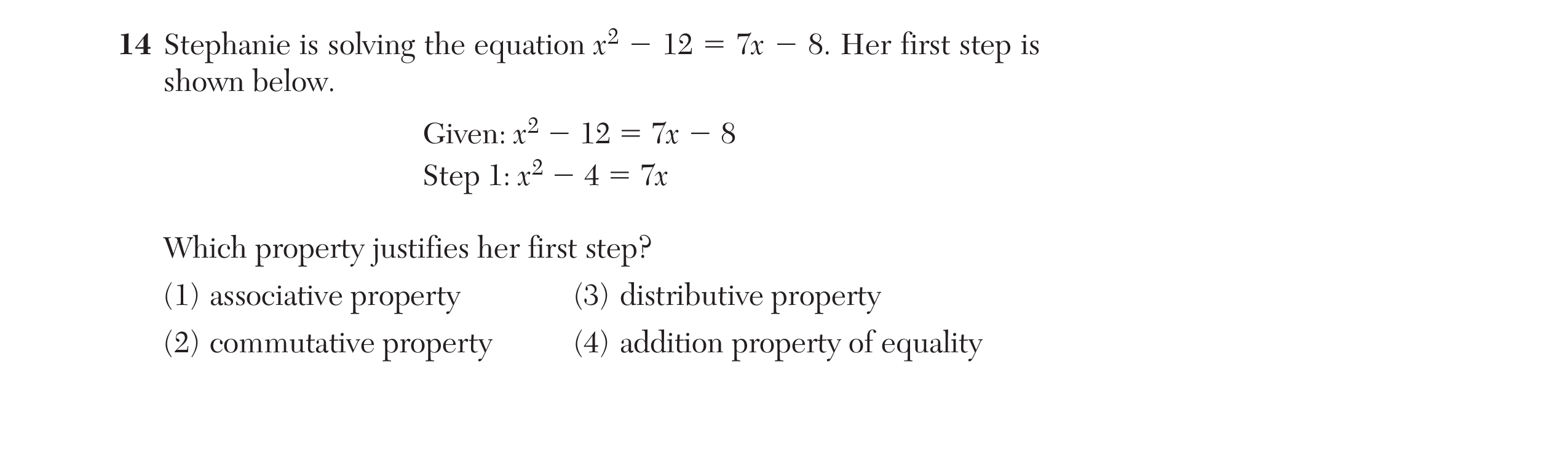
Apply the distributive property to rewrite the left side.
In each case:
- The move is acceptable because it doesn't change the equality of the two sides of the equation. If 2p+0.50 has the same value as 6.10, then multiplying 2p+0.50 by 21 and multiplying 6.10 by 21 keep the two sides equal.
- Only p=2.80 makes the equation true. Any value of p that makes an equation false also makes the other equivalent equations false. (Try it!)
These moves—applying the distributive property, adding the same amount to both sides, dividing each side by the same number, and so on—might be familiar because we have performed them when solving equations. Solving an equation essentially involves writing a series of equivalent equations that eventually isolates the variable on one side.
Not all moves that we make on an equation would create equivalent equations, however!
For example, if we subtract 0.50 from the left side but add 0.50 to the right side, the result is 2p=6.60. The solution to this equation is 3.30, not 2.80. This means that 2p=6.60 is not equivalent to 2p+0.50=6.10.
Visual / Anchor Chart

Standards
6.EE.4
Identify when two expressions are equivalent.
A-CED.21 question
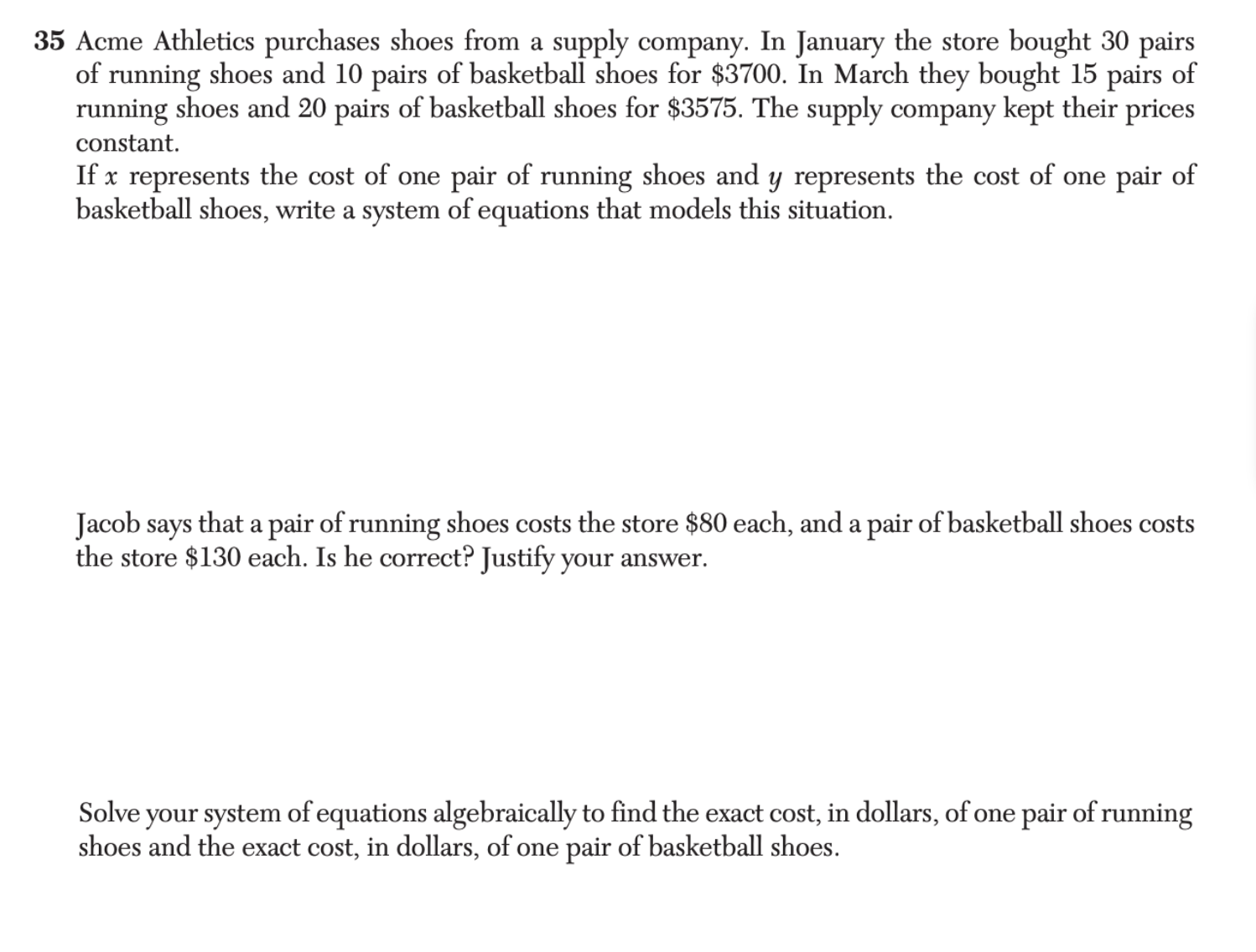
Create equations and linear inequalities in two variables to represent a real-world context.
A-REI.11 question
A-SSE.16 questions
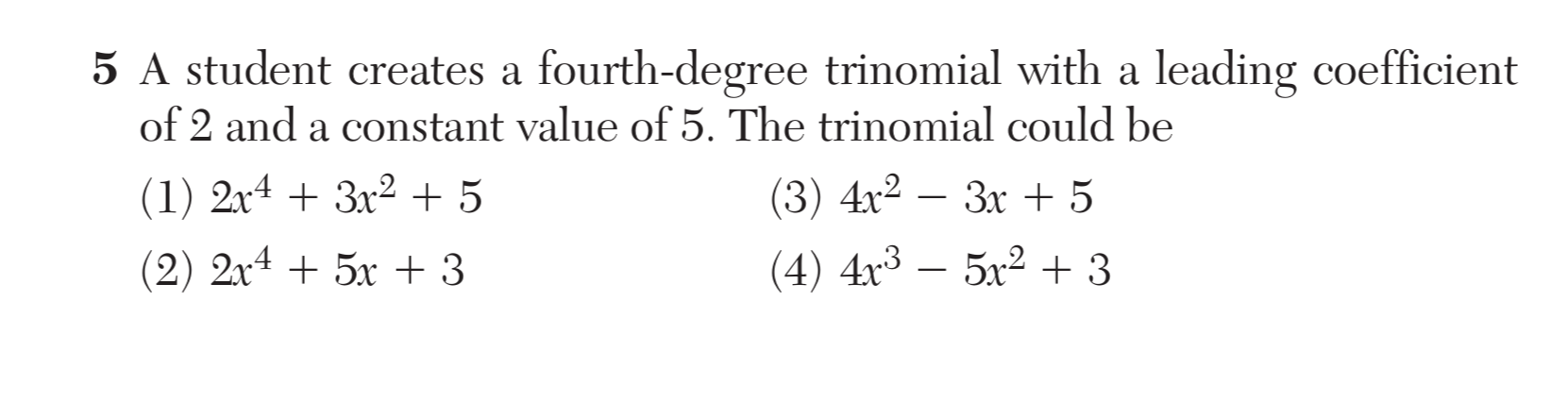
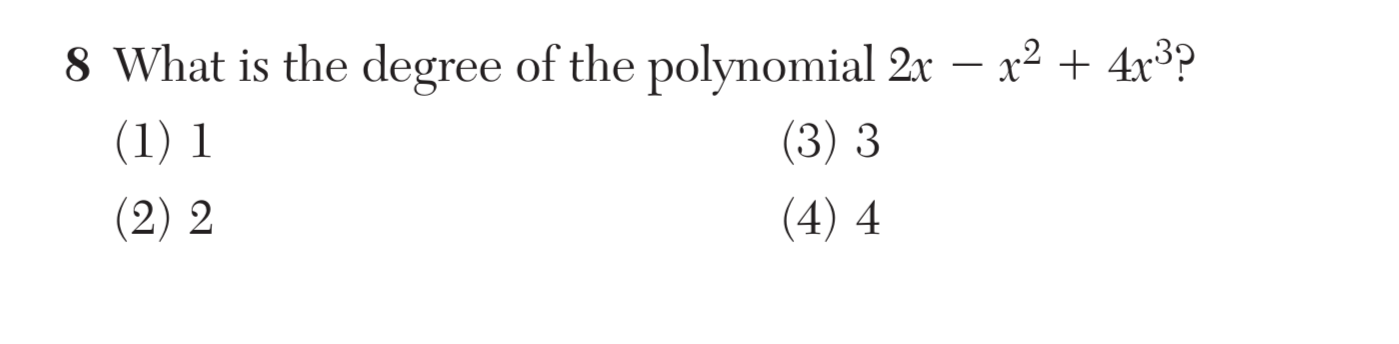
Interpret expressions that represent a quantity in terms of its context.

A-REI.A
No additional information available.