Which Variable to Solve for? (Part 1)
Student Summary
A relationship between quantities can be described in more than one way. Some ways are more helpful than others, depending on what we want to find out. Let’s look at the angles of an isosceles triangle, for example.
The two angles near the horizontal side have equal measurement in degrees, a.
The sum of angles in a triangle is 180∘, so the relationship between the angles can be expressed as:
a+a+b=180
Suppose we want to find a when b is 20∘.
Let's substitute 20 for b and solve the equation.
a+a+b2a+202a2aa=180=180=180−20=160=80
What is the value of a if b is 45∘?
a+a+b2a+452a2aa=180=180=180−45=135=67.5
Now suppose the bottom two angles are 34∘ each. How many degrees is the top angle?
Let's substitute 34 for a and solve the equation.
a+a+b34+34+b68+bb=180=180=180=112
What is the value of b if a is 72.5∘?
a+a+b72.5+72.5+b145+bb=180=180=180=35
Notice that when b is given, we did the same calculation repeatedly to find a: We substituted b into the first equation, subtracted b from 180, and then divided the result by 2.
Instead of taking these steps over and over whenever we know b and want to find a, we can rearrange the equation to isolate a:
a+a+b2a+b2aa=180=180=180−b=2180−b
This equation is equivalent to the first one. To find a, we can now simply substitute any value of b into this equation and evaluate the expression on the right side.
Likewise, we can write an equivalent equation to make it easier to find b when we know a:
a+a+b2a+bb=180=180=180−2a
Rearranging an equation to isolate one variable is called solving for a variable. In this example, we have solved for a and for b. All three equations are equivalent. Depending on what information we have and what we are interested in, we can choose a particular equation to use.
Visual / Anchor Chart

Standards
A-CED.44 questions
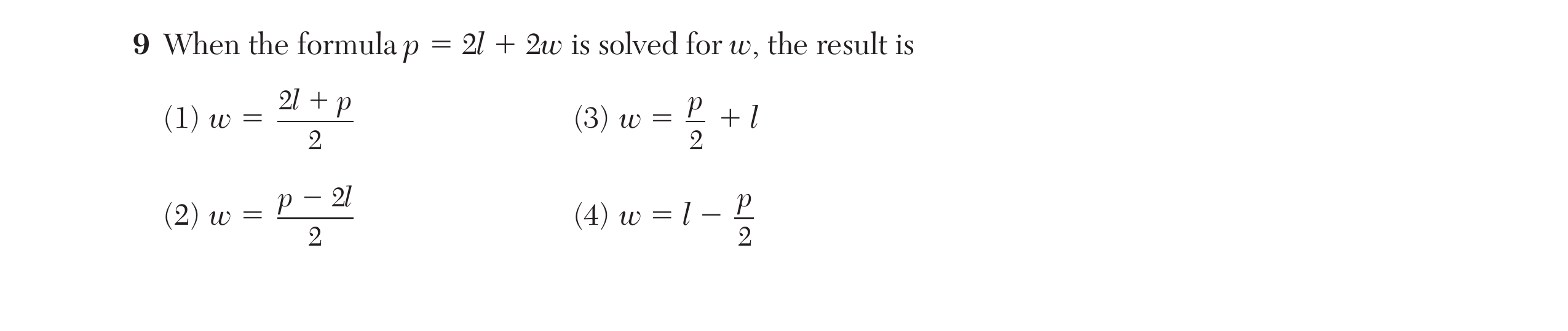
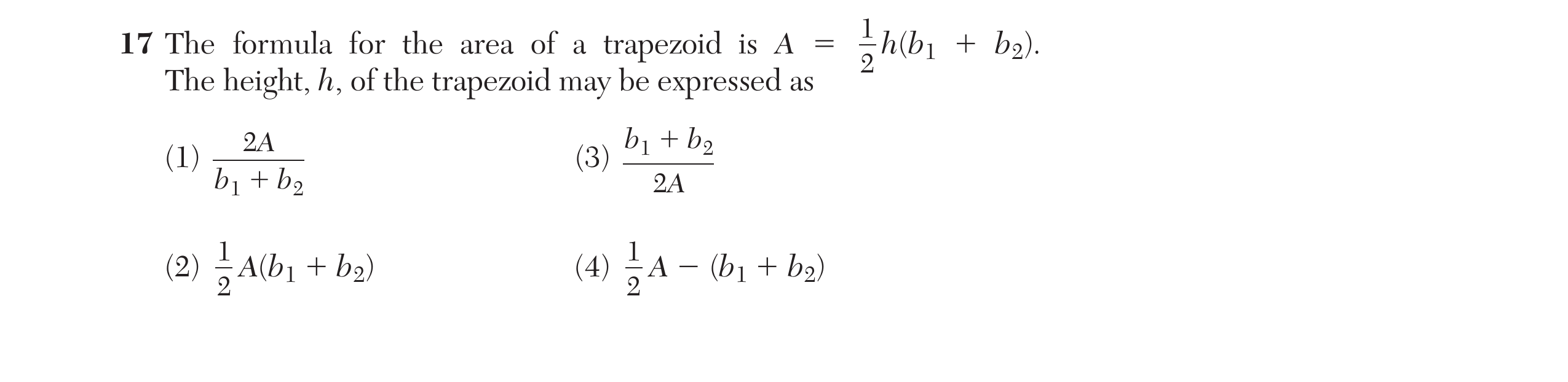
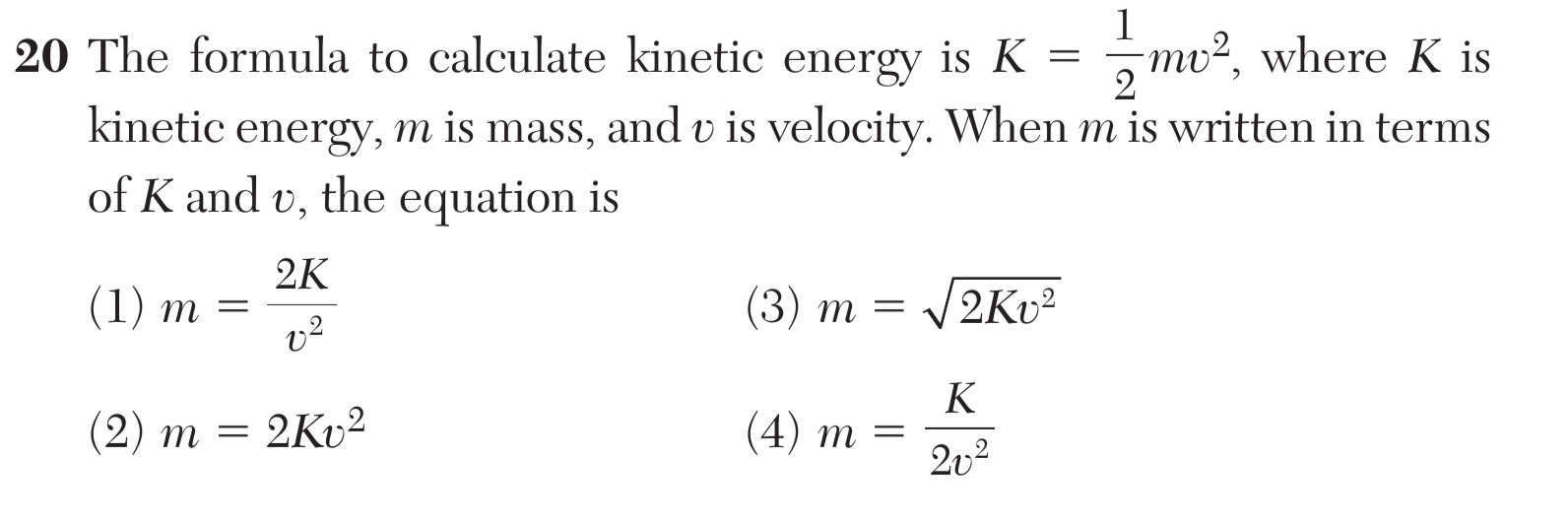
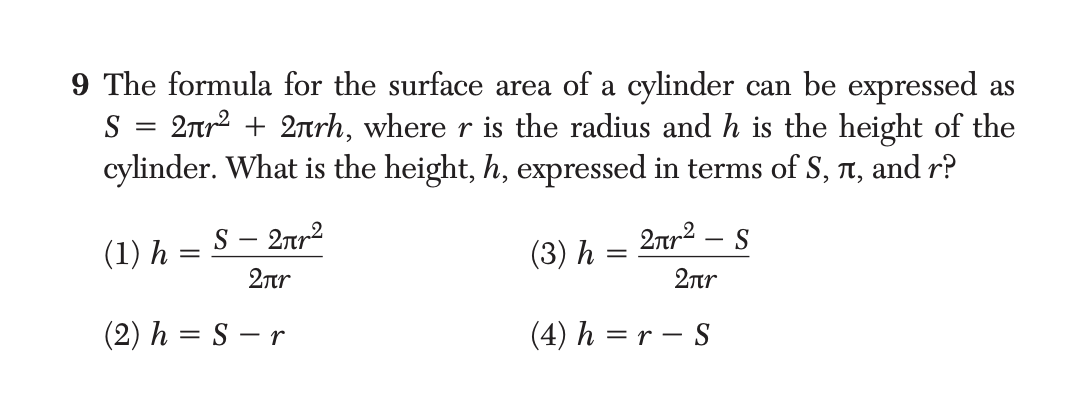
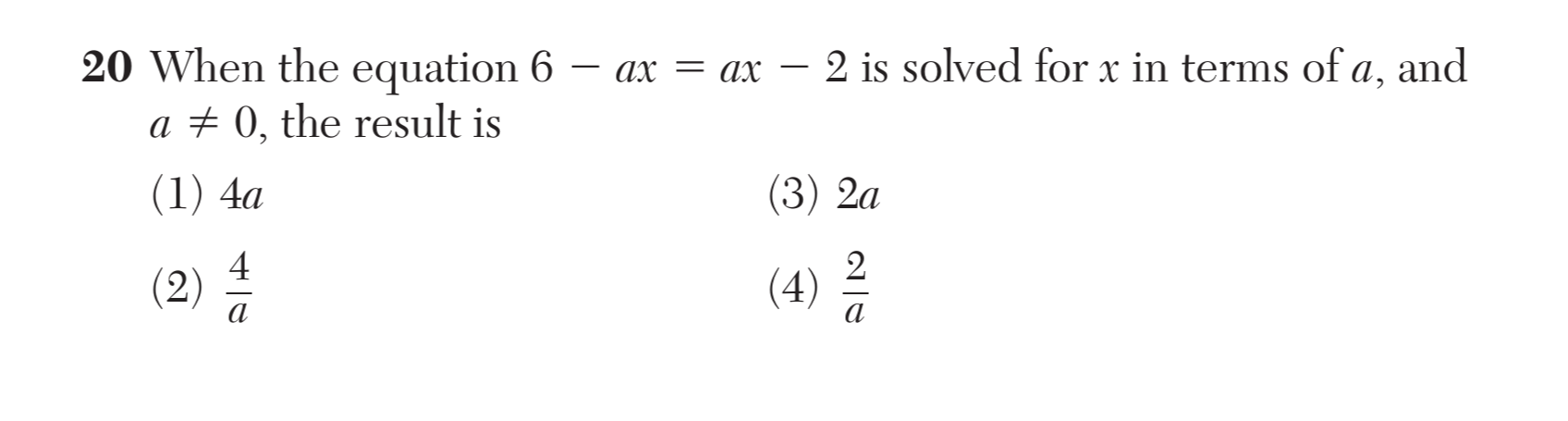
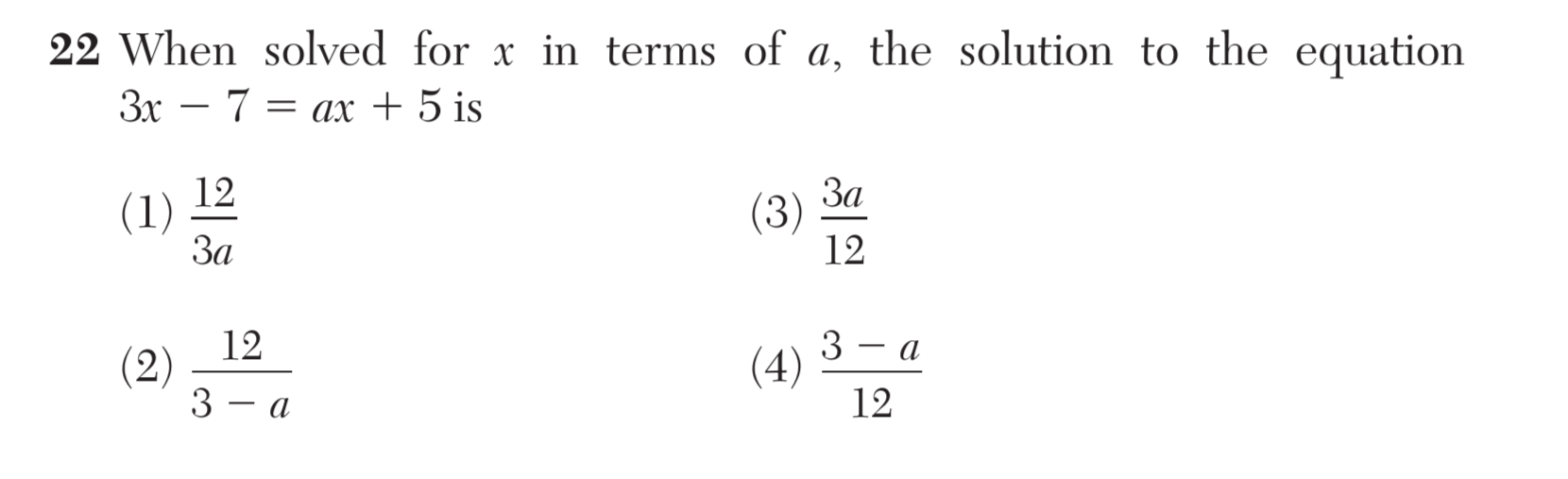
Rewrite formulas to highlight a quantity of interest, using the same reasoning as in solving equations.
A-REI.312 questions
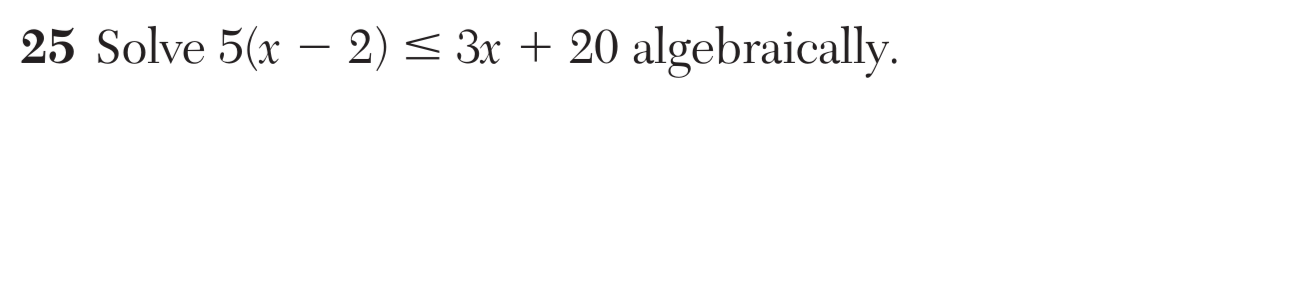
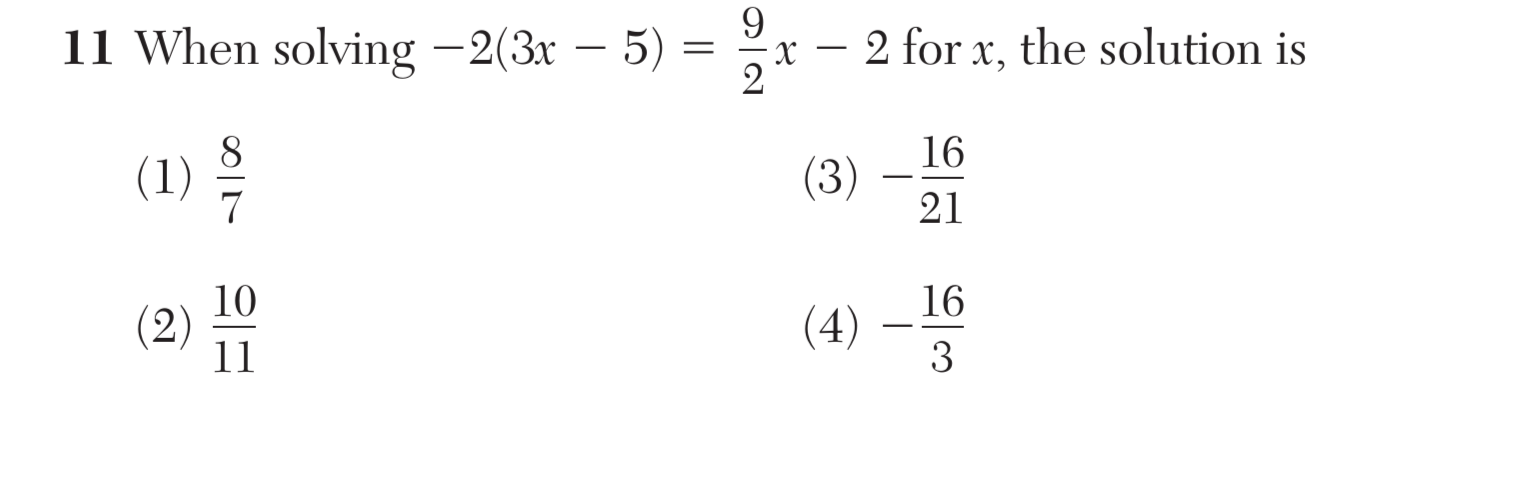
Solve linear equations and inequalities in one variable, including equations with coefficients represented by letters.


A-CED.44 questions
Rewrite formulas to highlight a quantity of interest, using the same reasoning as in solving equations.