Equations and Their Solutions
Student Summary
An equation that contains only one unknown quantity or one quantity that can vary is called an equation in one variable.
For example, the equation 2ℓ+2w=72 represents the relationship between the length, ℓ, and the width, w, of a rectangle that has a perimeter of 72 units. If we know that the length is 15 units, we can rewrite the equation as:
2(15)+2w=72.
This is an equation in one variable, because w is the only quantity that we don't know. To solve this equation means to find a value of w that makes the equation true.
In this case, 21 is the solution because substituting 21 for w in the equation results in a true statement.
2(15)+2w2(15)+2(21)30+4272=72=72=72=72
An equation that contains two unknown quantities or two quantities that vary is called an equation in two variables. A solution to such an equation is a pair of numbers that makes the equation true.
Suppose Tyler spends $45 on T-shirts and socks. A T-shirt costs $10 and a pair of socks costs $2.50. If t represents the number of T-shirts and p represents the number of pairs of socks that Tyler buys, we can can represent this situation with the equation:
10t+2.50p=45
This is an equation in two variables. More than one pair of values for t and p make the equation true.
t=3 and p=6
10(3)+2.50(6)30+1545=45=45=45
t=4 and p=2
10(4)+2.50(2)40+545=45=45=45
t=2 and p=10
10(2)+2.50(10)20+2545=45=45=45
In this situation, one constraint is that the combined cost of shirts and socks must equal $45. Solutions to the equation are pairs of t and p values that satisfy this constraint.
Combinations such as t=1 and p=10 or t=2 and p=7 are not solutions because they don’t meet the constraint. When these pairs of values are substituted into the equation, they result in statements that are false.
Visual / Anchor Chart

Standards
A-REI.312 questions
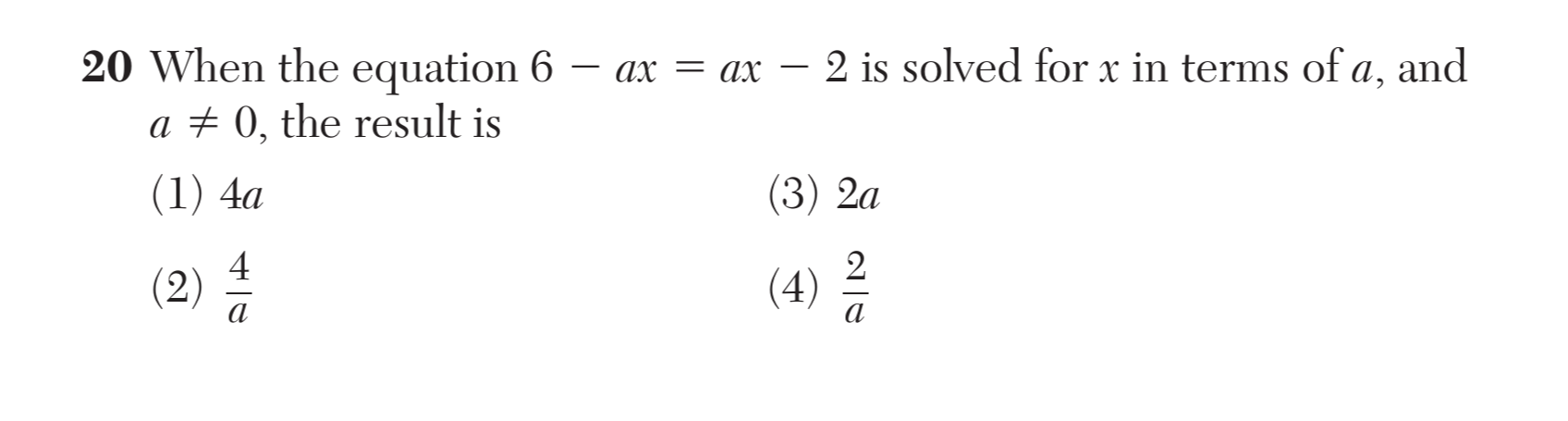
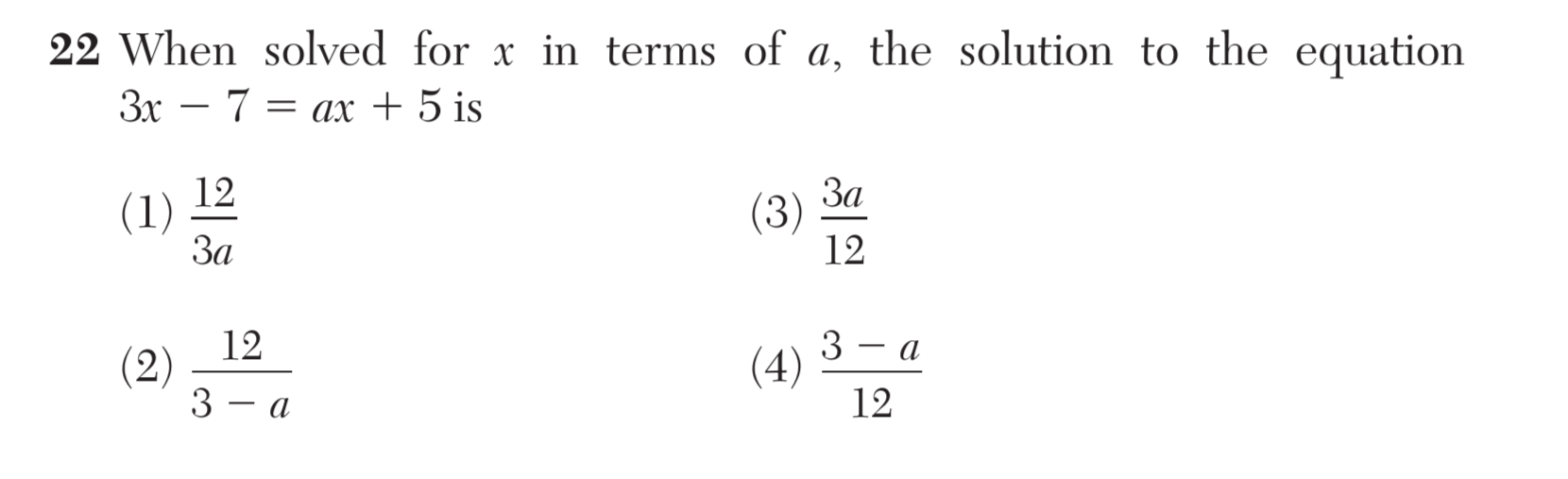
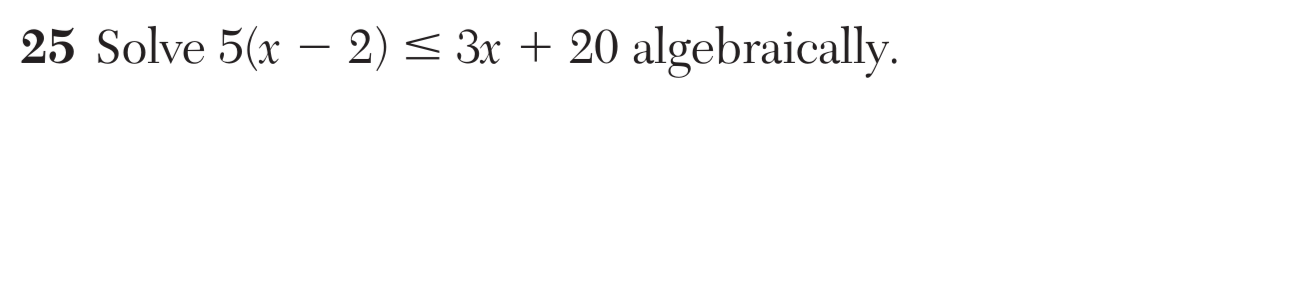
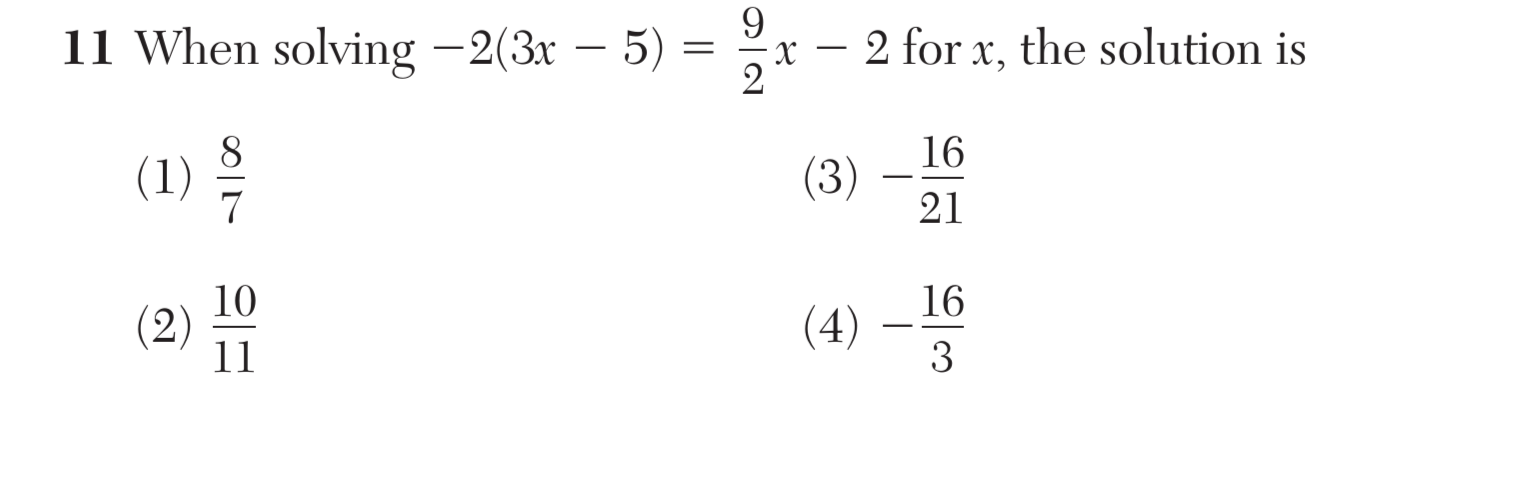
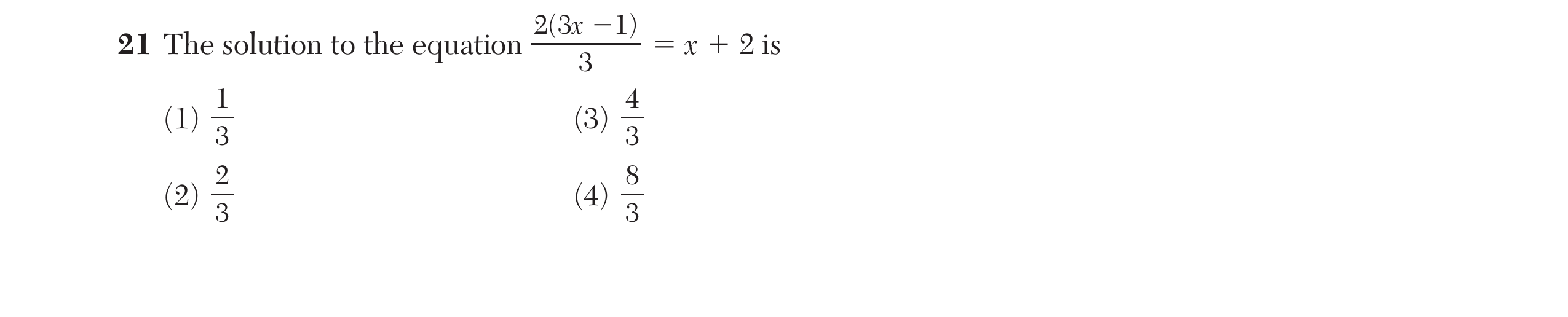
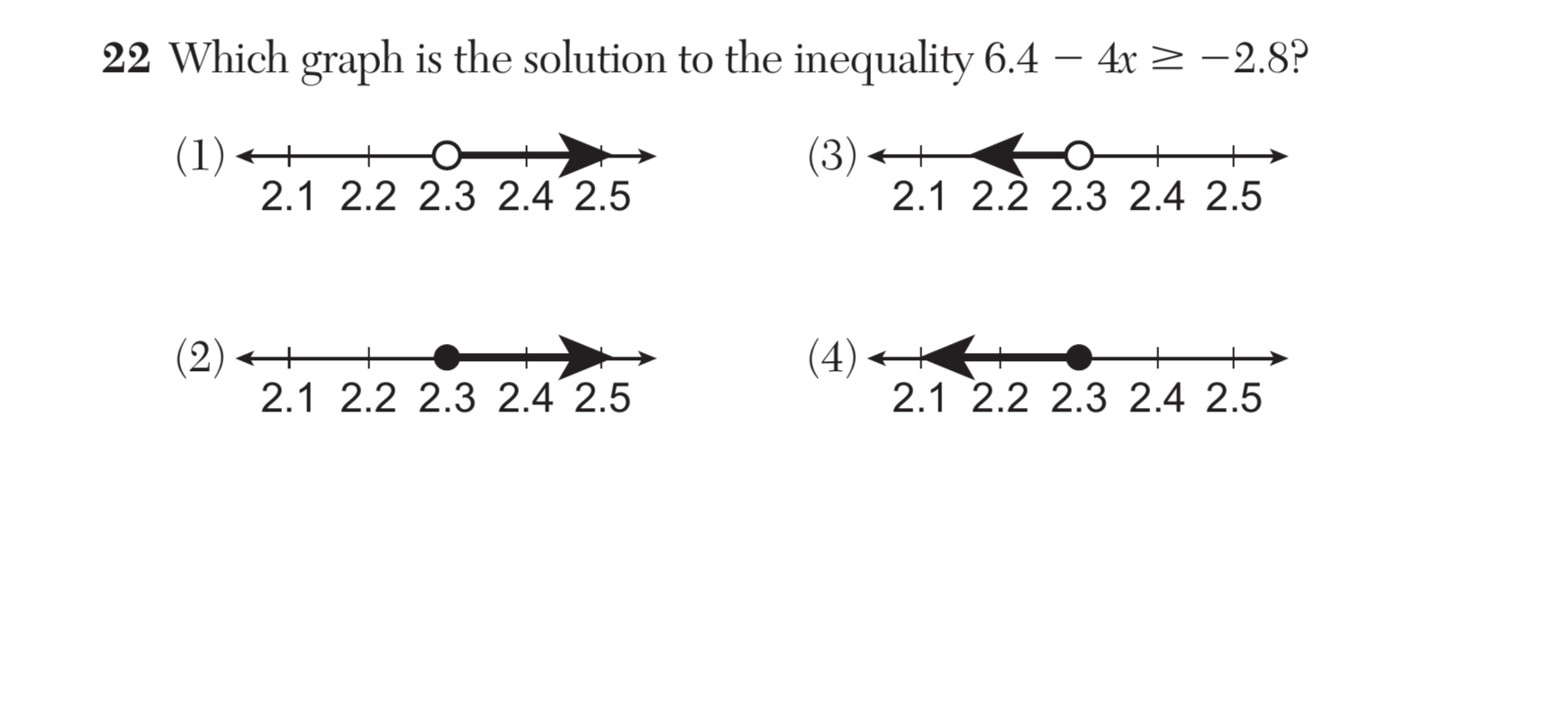
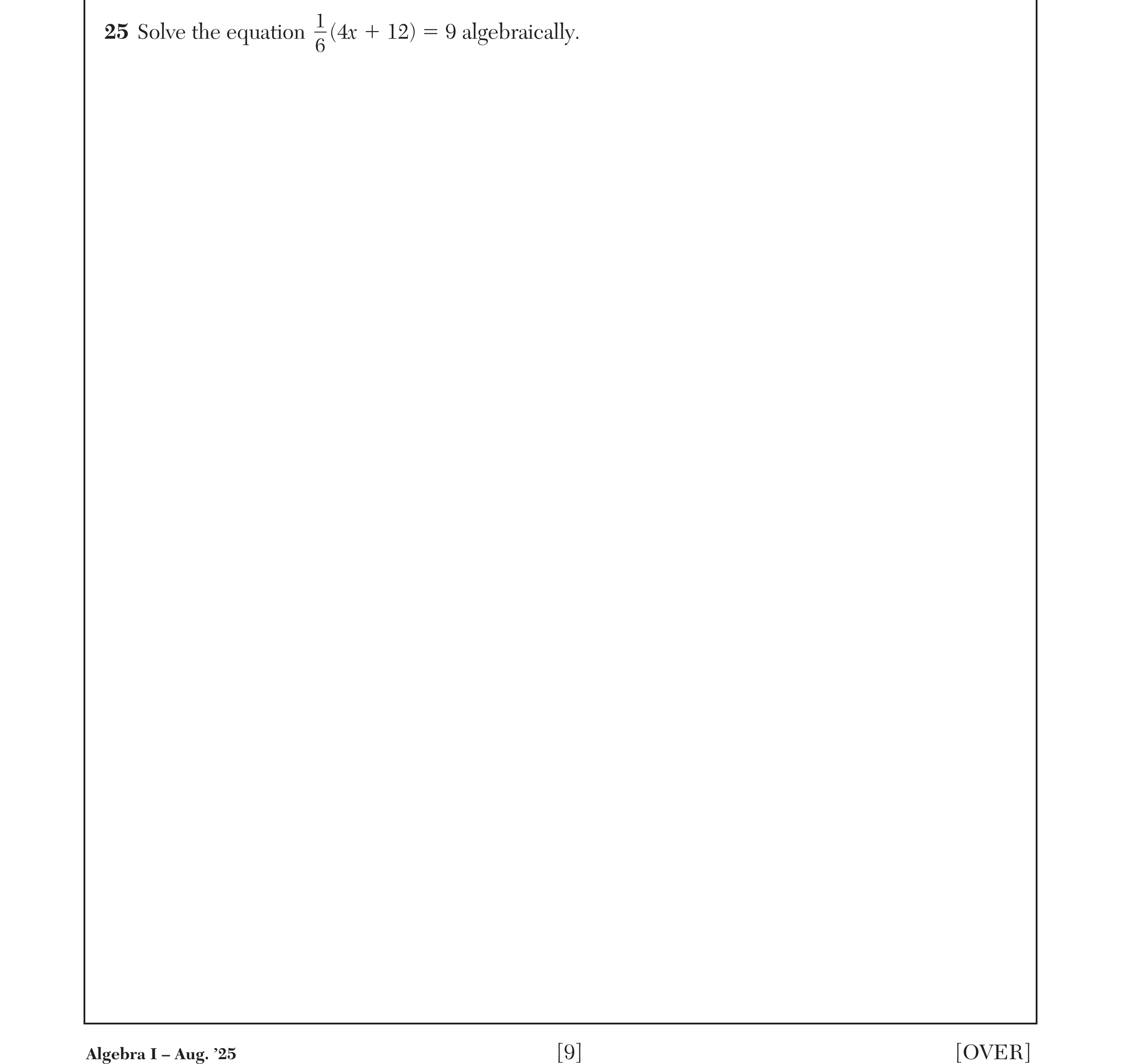
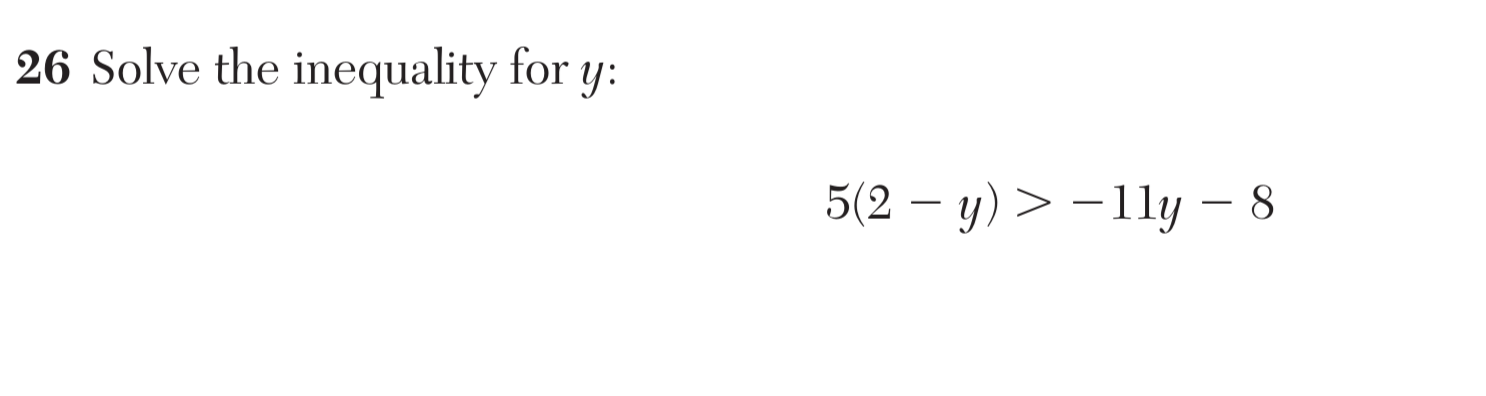
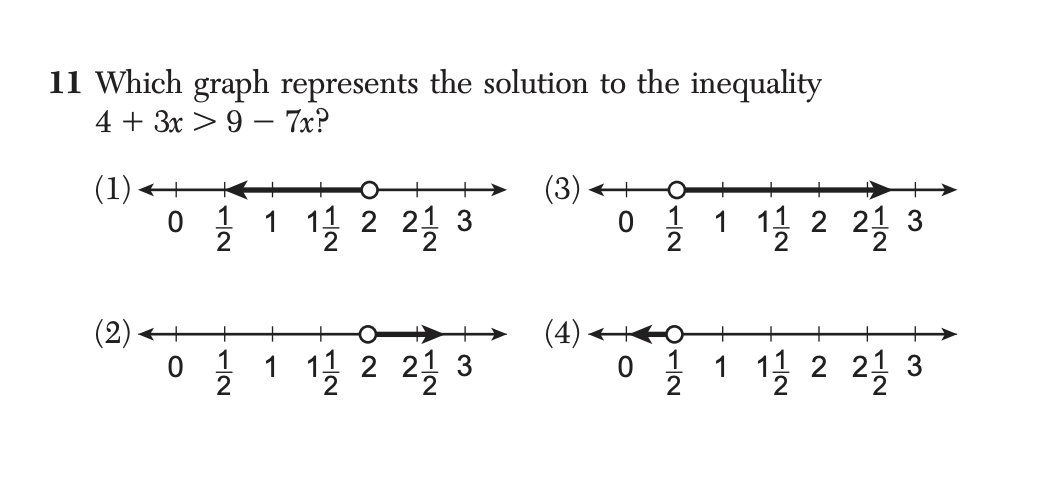
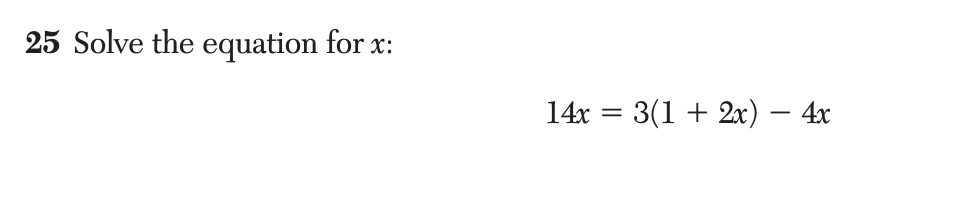
Solve linear equations and inequalities in one variable, including equations with coefficients represented by letters.


A-REI.A
No additional information available.